 Weekly Real Estate News

Last month saw a significant supply and demand imbalance in the housing market, with an estimated 36.8% more home sellers than buyers (or 528,769 more, in numerical terms). According to data from Redfin, this marked the largest gap in records dating back to 2013.
Redfin defines a market with over 10% more sellers than buyers as a buyer’s market, adding this definition would mean it has been a buyer’s market since May 2024. There have been over 30% more sellers than buyers since April.
However, it is only a buyer’s market if prospective homeowners can afford to purchase a residence, which is not always the case in today’s economy. The number of homebuyers in the dropped 1.7% month-over-month in October to an estimated 1.44 million, the lowest level on record aside from the start of the Covid pandemic in April 2020. Sellers are also not as plentiful, with 0.5% fewer from September to October for an estimated total of 1.97 million. That marks the fifth straight monthly decline in the number of sellers.
“There’s a shortage of both first-time buyers and repeat buyers because mortgage rates and home prices have gone up so much in recent years,” said Matt Purdy, a Redfin Premier real estate agent in the Denver area. “At the same time, there are homeowners who need to sell because they have to relocate for a job or are getting divorced. Sellers want top dollar because they’re focused on recouping their investment, but buyers are focused on having a low monthly payment, so there’s this gap in expectations that’s making it hard for buyers and sellers to see eye to eye. Oftentimes, the buyer ends up winning the negotiation because they have options—there are a lot of sellers who are desperate to make a deal happen.”


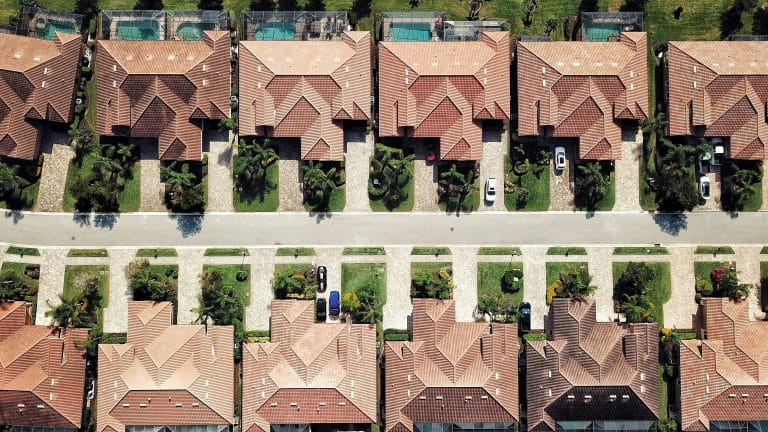

And thus there will be lower housing prices for buyers. Higher supply and lower demand creates lower prices in any market. This is what affordable housing advocates have been wanting and wishing for over the last 3 years. The bottom in real estate prices is relatively unknown for most of us. I’d venture to guess that a 10% price correction is very possible on median priced and lower priced homes and even a 15% price reduction on homes above the median price range. Time will tell. If the economy stays good then rising incomes will help in the affordability index. If interest rates continue to decline then in the short run it will help in the affordability index too. With much lower interest rates will come higher demand that will stabilize prices and lead to higher prices in the long run. We can’t have our cake and eat it too. Housing prices went up much too fast from 2019-2023. I’m hoping for a return to normal appreciation levels of around 3% once the market balances out in supply and demand but that may be a pipe dream in our boom and bust capitalist economy. And of course all markets are local so each has a tale of its own.
Great comments. I hope you are right.
there is too much talk about prices. There has not been any significant movement downward in housing prices for a long time regardless of high interest rates when one would expect prices to go down or a soft economy or whatever. Zoning changes to allow more dense building or building smaller houses on smaller lots has not helped nearly as much as one would expect.
I believe the cost of housing is too expensive and I am not referring to just interest rates. There is property taxes, insurance, utility costs, maintenance costs, etc. Then there is the cost of construction not just building costs but also the cost of desirable or suitable land and the cost of government and government regulation. We need to work on ways to build less expensive “affordable” housing. My two cents