 Weekly Real Estate News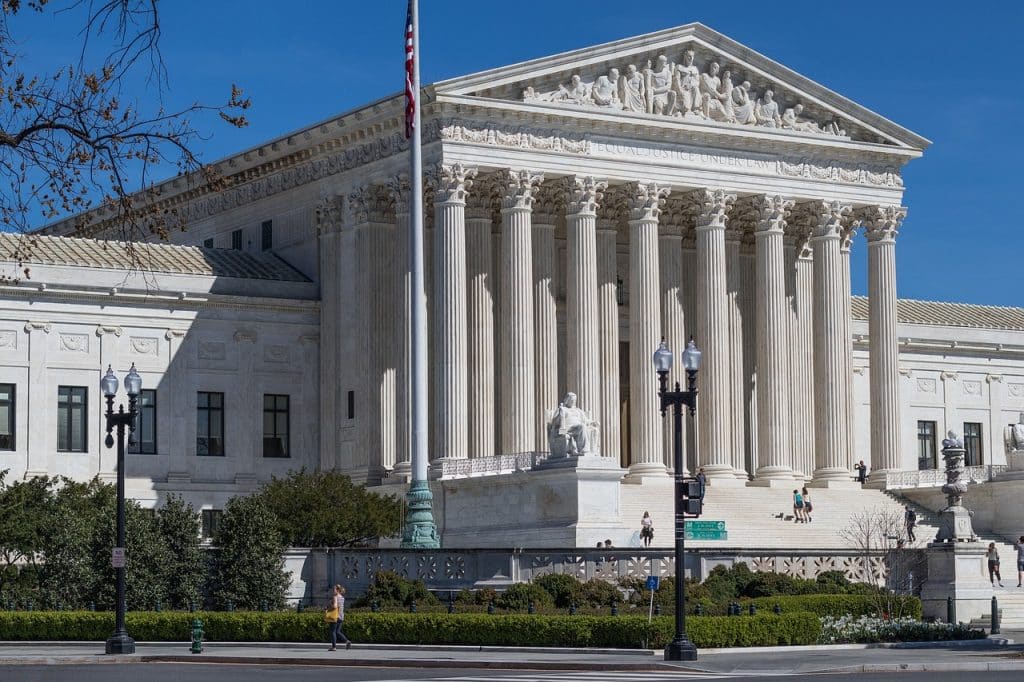

The justices on the US Supreme Court were highly skeptical to the Trump administration’s arguments that the president has the authority to fire Federal Reserve Gov. Lisa Cook over unsubstantiated allegations of mortgage fraud that occurred before she joined the central bank’s leadership.
During oral arguments this morning, the justices openly questioned why the administration sought to rush the case to their attention and questioned whether Cook was denied due process in responding to the allegations brought against her. Despite a criminal referral to the Department of Justice, she has not been charged with any crime and has denied the allegations; her attorney, Paul Clement, told the justices that any error in Cook’s mortgage paperwork was “at most an inadvertent mistake.”
The court’s conservative majority were not openly sympathetic to the administration’s case. Justice Samuel Alito pointedly asked if the paperwork related to the allegations against Cook were included in the record of the case. Solicitor General John Sauer, who represented the administration, said that only a social media post of a screenshot of a letter regarding the allegations was included.
Justice Amy Coney Barrett questioned why Sauer believed Cook was not entitled to a hearing to answer the allegations against her, asking “Why are you afraid of a hearing?” Justice Brett Kavanaugh was even more blunt, warning Sauer that his advocating for Trump to fire Cook or other Fed governors with a vague “for cause” argument could set a dangerous precedent.






“Your position that there’s no judicial review, no process required, no remedy available, very low bar for cause — that the President alone determines — and that would weaken, if not shatter, the independence of the Federal Reserve,” Kavanaugh stated.
Among the liberal members of the court, Justice Ketanji Brown Jackson observed that a lawsuit filed by Cook against Trump for his attempt to fire her was still pending in federal district court.
“The real question is to what extent we believe the public is harmed to allow Ms. Cook to remain in post during the pendency of this case,” said Jackson. When Sauer insisted that retaining Cook in her job would create “grievous, irreparable injury to the public perception of the Federal Reserve,” Jackson added, “Do you have evidence other than the president’s view?”
Following the oral arguments, Cook issued a statement that said, “This case is about whether the Federal Reserve will set key interest rates guided by evidence and independent judgment or will succumb to political pressure. Research and experience show that Federal Reserve independence is essential to fulfilling the congressional mandate of price stability and maximum employment. That is why Congress chose to insulate the Federal Reserve from political threats, while holding it accountable for delivering on that mandate.”