


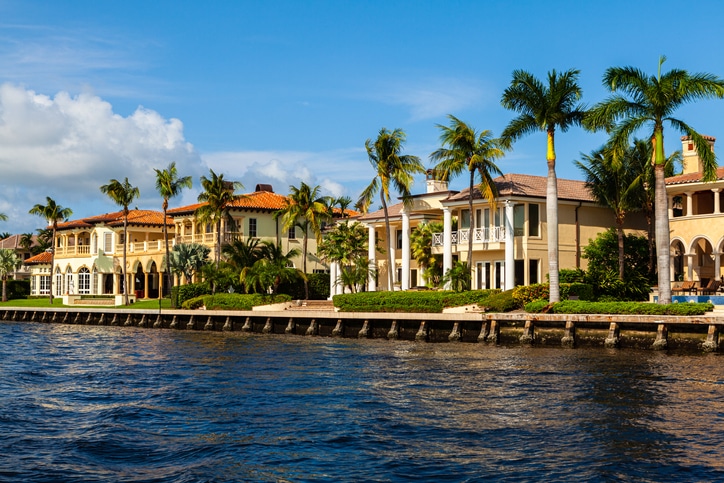
Florida recorded a total of 21,191 closed sales of existing single-family homes in October, up 13.8% year-over-year, while existing condo-townhouse sales totaled 7,223, up 11.1% over the same period.
According to data from Florida Realtors, single-family existing homes were at a 5.1-months’ supply during October while condo-townhouse properties were at a 9.3-months’ supply.
The statewide median sales price for single-family existing homes in October was $411,105, down 0.9% compared to one year ago, while the statewide median price for condo-townhouse units was $300,000, down 4.8% from October 2024.
“With median prices easing, more buyers are stepping back in, and sellers are finding a more stable environment to list,” said 2025 Florida Realtors President Tim Weisheyer, broker-owner of Dream Builders Realty and dbrCommercial Real Estate Services in Central Florida. “It’s a positive sign that Florida’s housing market continues to gain traction and moving toward a more balanced, sustainable pace.”

















Maybe the money they ‘save’ can go toward a rebuilding-when-the-next-hurricane-hits fund. Tired of paying my tax dollars so FEMA can rebuild for idjits that refuse to accept reality. (This goes for any locale with repeat FEMA ‘business’.)
Many people HAD insurance that wouldn’t pay or under paid. I was one of those people! Since 2022, thanks to new building all around me, many houses in my neighborhood flood whenever there is more than 4 inches of rain. These houses that now flood have been here 20, 30 and 40 years and never had flooding issues. For many people, FEMA was the only help and many of us still have damaged homes.
I agree about FEMA and the residents that pay flood and hurricane insurance in Florida and in other prone areas of the country. To possibly take FEMA off of the general tax payers rolls they premiums would have to double to triple. Instead a 5% increase every year besides inflation adjusted reconstruction cost increases to the policy should be implemented. To make sure that the federal fund is well financed I suggest an additional one time bonus payment of $5-$25K depending on the house or unit sales price to be paid into the fund. The one time fee could be financed by adding it to the mortgage balance. The down payment would be unaffected on borrowing ratios by the lender accepting it as an extraordinary expense. This would be nearly like but at a higher cost of course of what many homeowner associations and condominum complexes charge the buyers in paying an “entry fee” of a few hundred dollars to a few thousand dollars to buy the house or unit in those areas. These are ideas to put the financial burdens directly on owners of real estate housing located in a flood or hurricane zone. Would this affect prices? Yes for the most part it would by lowering prices a small amount. But if people want housing in those areas then they’ll pay the going price to procure it. There’s no question that the FEMA programs are bankrupt and it’s about time that the users of these benefits pay the ongoing costs themselves.
What would be wrong with letting the premiums double or triple in hurricane prone areas? It would be far simpler and more fair than what you’re recommending….. I think.
All of Florida is in a Flood Zone, whether it is an X Flood Zone ( least likely) or a VE Flood Zone ( most prone). Those who have had claims, understandably, should carry most of the cost burden of Flood insurance.
Many of the clients I deal with self insure as they have had claims that have not paid for the damage, only partially. And between the premiums and deductibles, it really only pays for catastrophic events.
Many homeowners have opted for High Deductibles to lower the cost.
Also, based on past hurricanes, many of the insurance companies raised their premiums due to owners opting to hire attorneys rather than go to their insurance company first to make the claim. Attorney fees have raised the cost for insurance. It is best to go directly to your insurance company ASAP and put in a claim.
I would like to educate with FEMA facts from their website. In addition to the data below, FEMA distributed $47Billion in 2020 for Covid related issues. Public Assistance is the largest share of FEMA aid including aid to illegal aliens. But as you can see below, all states besides Florida receive some sort of FEMA help. Below is State ranking of funds distributed per FEMA person, per FEMA disaster and FEMA obligations as % of spending:
1 Louisiana $1,564 $1.0B 5.58%
2 New York $802 $1.5B 2.44%
3 Florida $694 $747.8M 4.39%
4 Virginia $476 $1.0B 1.72%
5 New Jersey $405 $3.8B 1.38%
6 Montana $1,054 $142.9M 3.91%
7 Connecticut $516 $465.4M 1.46%
8 Massachusetts $403 $943.9M 1.19%
9 Colorado $307 $443.3M 1.58%
9 Rhode Island $613 $134.6M 1.70%
11 Hawaii $639 $116.3M 1.60%
11 Alaska $1,081 $61.0M 1.71%
13 North Carolina $262 $547.2M 1.39%
14 Vermont $793 $51.0M 2.14%
15 Maryland $369 N/A 1.11%
16 Illinois $276 $884.2M 0.96%
17 Oregon $463 $103.3M 1.18%
18 California $297 $378.3M 0.87%
19 South Carolina $248 $181.1M 1.14%
20 Pennsylvania $182 $2.4B 0.67%
21 Washington $296 $108.6M 1.11%
22 Utah $212 $346.7M 0.95%
22 Kansas $277 $90.5M 1.13%
24 New Mexico $381 $53.8M 1.09%
25 Michigan $159 $1.6B 0.67%
26 Mississippi $239 $176.7M 0.91%
26 Kentucky $268 $172.5M 0.83%
28 Texas $148 $392.9M 1.01%
29 Maine $308 $46.6M 1.09%
30 New Hampshire $226 $51.8M 1.26%
31 North Dakota $314 $34.9M 1.03%
32 Georgia $152 $271.5M 0.79%
33 Iowa $186 $118.8M 0.67%
34 Alabama $150 $250.6M 0.64%
35 Delaware $269 N/A 0.58%
35 Missouri $127 $195.9M 0.70%
37 Ohio $73 $865.5M 0.31%
38 Wisconsin $199 N/A 0.61%
38 Idaho $151 $55.6M 0.73%
40 West Virginia $200 $59.9M 0.58%
41 South Dakota $173 $19.2M 0.77%
42 Tennessee $146 $84.0M 0.66%
43 Nebraska $168 $36.6M 0.65%
43 Arkansas $147 $110.9M 0.45%
45 Indiana $44 $301.4M 0.20%
46 Minnesota $109 $123.9M 0.36%
47 Arizona $146 $74.6M 0.35%
48 Oklahoma $122 $32.3M 0.58%
49 Wyoming $128 $12.3M 0.48%
50 Nevada $72 $28.0M 0.41%
Let me provide you with facts from the FEMA website. FEMA spent $47billion in 2020 on Covid related issues. Public assistance is the largest share of FEMA aid. As you will see, Florida is not the only state to receive FEMA aid. In addition, all states receive FEMA assistance as you will see below in the list of each state’s amount of FEMA help last year. This is state ranked by funding per person (column 1), funding per disaster (column 2) and funding obligations as % of spending (column 3)
1 Louisiana $1,564 $1.0B 5.58%
2 New York $802 $1.5B 2.44%
3 Florida $694 $747.8M 4.39%
4 Virginia $476 $1.0B 1.72%
5 New Jersey $405 $3.8B 1.38%
6 Montana $1,054 $142.9M 3.91%
7 Connecticut $516 $465.4M 1.46%
8 Massachusetts $403 $943.9M 1.19%
9 Colorado $307 $443.3M 1.58%
10 Rhode Island $613 $134.6M 1.70%
11 Hawaii $639 $116.3M 1.60%
12 Alaska $1,081 $61.0M 1.71%
13 North Carolina $262 $547.2M 1.39%
14 Vermont $793 $51.0M 2.14%
15 Maryland $369 N/A 1.11%
16 Illinois $276 $884.2M 0.96%
17 Oregon $463 $103.3M 1.18%
18 California $297 $378.3M 0.87%
19 South Carolina $248 $181.1M 1.14%
20 Pennsylvania $182 $2.4B 0.67%
21 Washington $296 $108.6M 1.11%
22 Utah $212 $346.7M 0.95%
23 Kansas $277 $90.5M 1.13%
24 New Mexico $381 $53.8M 1.09%
25 Michigan $159 $1.6B 0.67%
26 Mississippi $239 $176.7M 0.91%
27 Kentucky $268 $172.5M 0.83%
28 Texas $148 $392.9M 1.01%
29 Maine $308 $46.6M 1.09%
30 New Hampshire $226 $51.8M 1.26%
31 North Dakota $314 $34.9M 1.03%
32 Georgia $152 $271.5M 0.79%
33 Iowa $186 $118.8M 0.67%
34 Alabama $150 $250.6M 0.64%
35 Delaware $269 N/A 0.58%
36 Missouri $127 $195.9M 0.70%
37 Ohio $73 $865.5M 0.31%
38 Wisconsin $199 N/A 0.61%
39 Idaho $151 $55.6M 0.73%
40 West Virginia $200 $59.9M 0.58%
41 South Dakota $173 $19.2M 0.77%
42 Tennessee $146 $84.0M 0.66%
43 Nebraska $168 $36.6M 0.65%
44 Arkansas $147 $110.9M 0.45%
45 Indiana $44 $301.4M 0.20%
46 Minnesota $109 $123.9M 0.36%
47 Arizona $146 $74.6M 0.35%
48 Oklahoma $122 $32.3M 0.58%
49 Wyoming $128 $12.3M 0.48%
50 Nevada $72 $28.0M 0.41%