


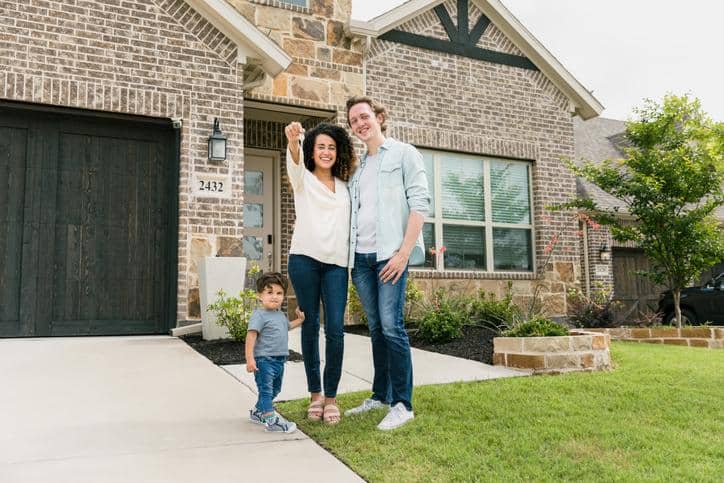
Suburban markets in the Northeast and Midwest dominated the top 10 rankings in Realtor.com’s 2025 edition of its Hottest ZIP Codes Report.
The rankings were based on an algorithm that considered market demand as measured by unique viewers per property on Realtor.com along with the pace of the market as measured by the number of days a listing remains active on Realtor.com between January to June. The list set a limit of one ZIP code per metropolitan area.
Using that methodology, the top 10 list consisted of the following:
- 01453 Leominster, Massachusetts, in suburban Worcester
- 63021 Ballwin, Missouri, in suburban St. Louis
- 07470 Wayne, New Jersey, in the New York City metro area
- 44149 Strongsville, Ohio, in suburban Cleveland
- 06611 Trumbull, Connecticut, in the New York City metro area
- 02864 Cumberland, Rhode Island, in suburban Providence
- 06074 South Windsor, Connecticut, in suburban Hartford
- 43209 Bexley, Ohio, in suburban Columbus
Realtor.com noted the homes in this year’s top 10 ZIP codes sold between 30 and 42 days faster than the national average and generating 3.3 to 5.2 times more views per listing, on average. Seven of the top 10 markets had median listing prices above the national average of $441,000, although six of them were more affordable than their surrounding metro areas. Only three of the markets—Beverly, Massachusetts (01915), Ballwin, Missouri (63021) and Wayne, New Jersey (07470)—had a greater volume of local buyers than out-of-area interest.
“In a year when affordability challenges and limited inventory continue to weigh on buyers, the ZIP codes rising to the top of our list stand out for offering both strong value and livability,” said Danielle Hale, chief economist at Realtor.com. “Once again, the Northeast and Midwest dominate, driven by buyers from high-cost metros looking for relief without sacrificing access to jobs and amenities. Many of these neighborhoods also offer newer homes than the surrounding areas, highlighting the critical role of new and infill construction in meeting today’s buyer demand—even in a tough market.”

















Stay up north! Do not move to a red state and vote Democrat.