


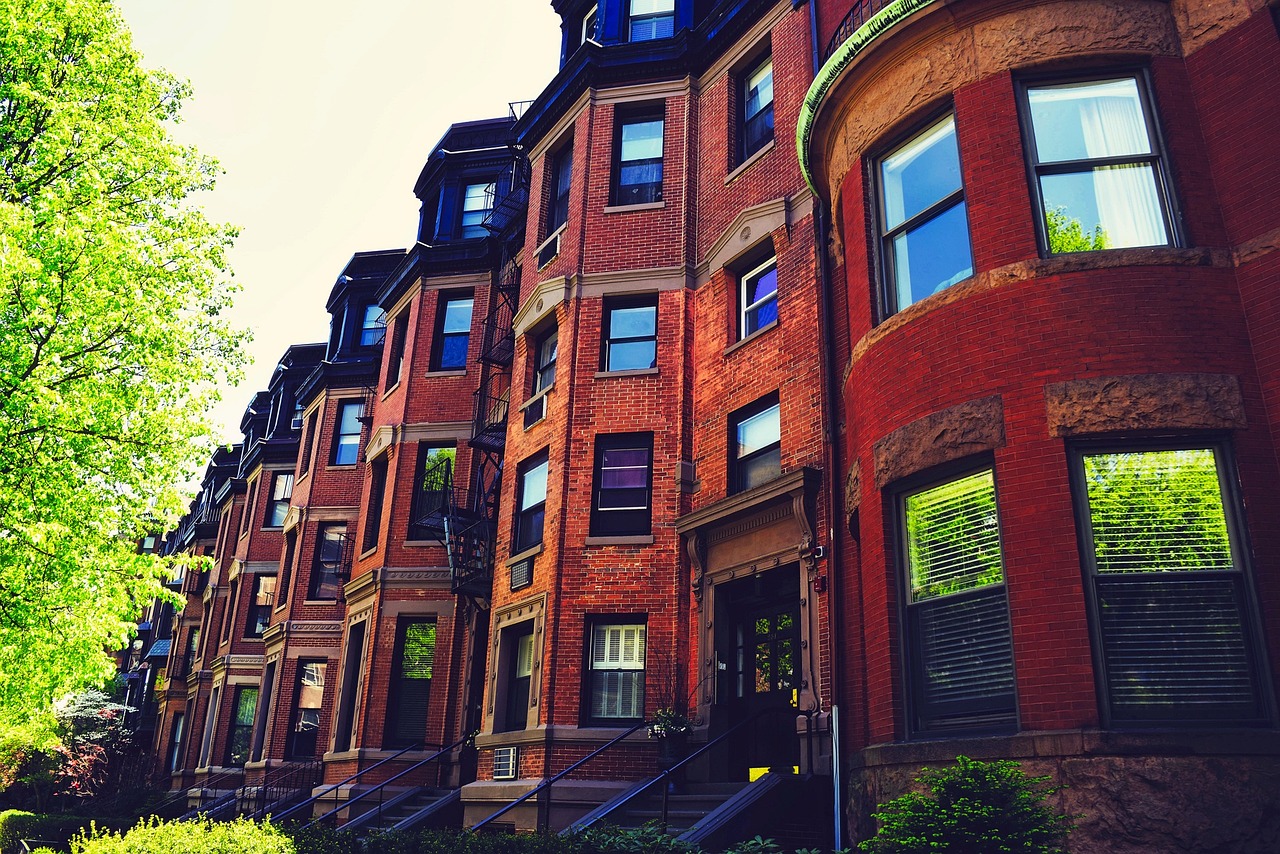

The Boston real estate market has a problem that you won’t find in any other city: approximately 8,000 properties are at risk of sinking and crumbling.
Boston 25 News reports the properties were constructed on wooden foundations that were laid on filled land between the mid-1800s and early 1900s. The Boston Groundwater Trust, which monitors groundwater levels across the city’s man-made land areas, is warning these properties risk structural failure if their underground wooden foundations rot due to declining groundwater levels.
Wood pilings can last for centuries underwater, but they begin to decay when exposed to oxygen. Repairing the damage could cost homeowners up to $200,000 and require up to 18 months of labor – and those expenses are usually not covered by insurance policies.
“We work with the entities that own the sewers, the drains, the tunnels, making sure that those are tight, that those don’t leak,” said Christian Simonelli, executive director of the Boston Groundwater Trust. “You see a building, and you say, ‘Oh, that building looks okay.’ Ultimately, if the building owner ignored it, it would be catastrophic for the building.”
Lawmakers have attempted to mitigate the problem through legislation. Last year, a state law went into effect preventing homebuyers from offering to waive home inspections to gain a competitive advantage on a property sale. In Boston, builders are now required to install groundwater recharge systems and use porous paving materials that enables rainwater to permeate the soil.

















Boston is pulling a California where they take your housing away? Fire season is coming for California.