



Summary
Rep. Robin Scheu, the Democratic chairman of the House Appropriations Committee, pointed out that nearly $120 million in general fund revenue was used to prevent a 7% hike in property tax bills this year.
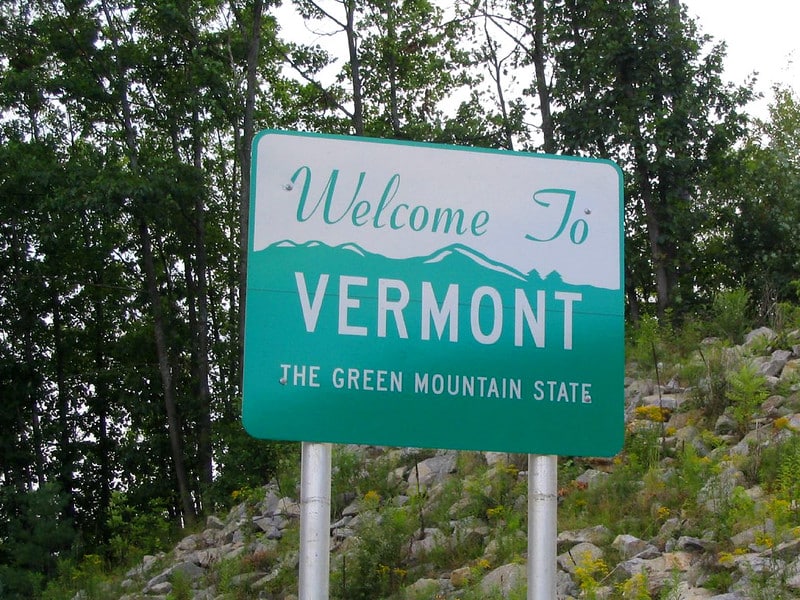
Vermont Gov. Phil Scott is seeking to use surplus state funds to reduce a projected 12% property tax hike slated for 2026, but the Republican governor is getting pushback from some Democratic legislators over his plan.
Vermont Public reports Scott’s administration told the House Appropriations Committee that $75 million in surplus revenue should be used as a buffer against the upcoming property taxes. Adam Greshin, commissioner of the Department of Finance and Management, said, “The governor has been crystal clear that a 12% average increase in property taxes would be devastating, so he’s directed his finance team to find ways to stabilize the education fund.”
Greshin stated the use of $75 million is a one-time initiative that could slash the projected tax hike to about 7%, adding the governor “might” propose other strategies to reduce taxes further in his annual budget address next month.
“It would make a dent, but it would not make a big enough dent in our opinion,” Greshin said.
However, Rep. Robin Scheu, the Democratic chairman of the House Appropriations Committee, pointed out that Scott and legislators already allocated nearly $120 million in general fund revenue to prevent a 7% hike in property tax bills this year. Scheu warned the new proposal could hamper the legislature’s ability to address other financial challenges.
“You know, education is really important, and I understand that it’s one of the governor’s key priorities,” Scheu said. “Health care should be too, in terms of cost, in terms of access, what it’s doing to the health of Vermonters.”
Norwich Rep. Rebecca Holcombe, a Democrat who formerly served as education secretary, echoed Scheu’s concerns.
“What I worry about is we’ve gotten so dependent on using one-time money that we’re just kicking the can down the road,” she said. “But no one’s really supporting or leading the really hard work we have to do in health care and in education to get ahead of some of these cost drivers.”















Thank you Governor for this proposal. A 7% property tax hike is high but 12% is ridiculous! Why is it that the Democrats in our states are always crying that education needs more funding? It never ever ends. I remember these requests for over the last 50 years! It seems that Democrats are never satisfied with the level of education available to its residents. If students aren’t graduating or are graduating with below standard scores it usually is because of the student and not the school system. Public kindergarten thru 12 grade education is free. You get out of education as a student in what you put into it. You can lead a horse to water but you can’t make them drink. More and more monies besides increases for inflation will not solve practically any education process. State and local budget cuts are needed not outrageous new taxation.