 Weekly Real Estate News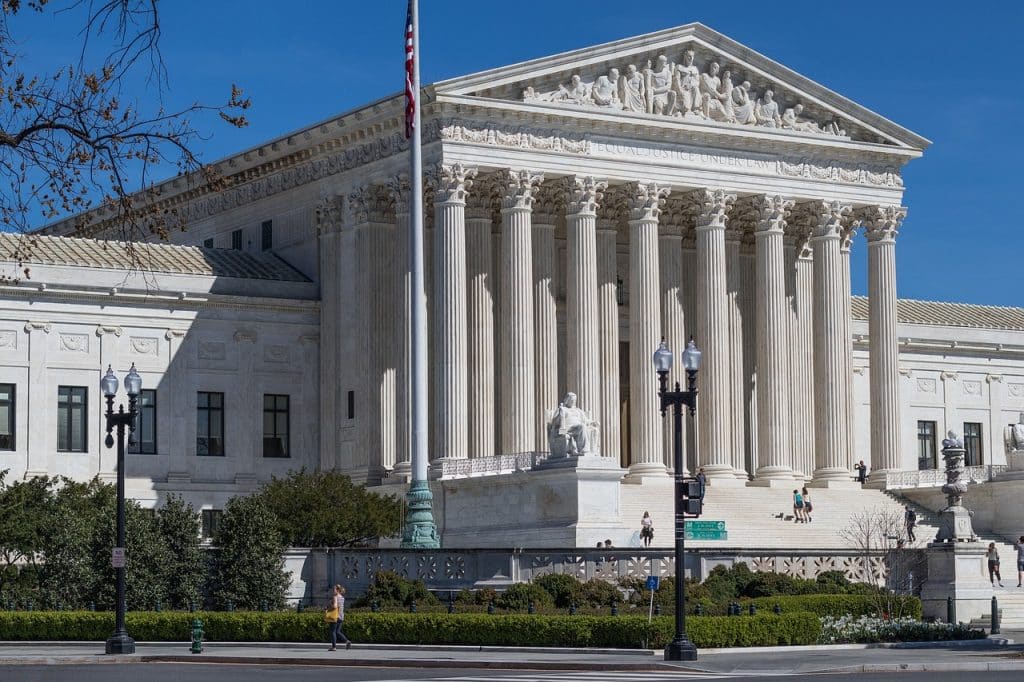
The US Supreme Court provided a partial victory to a Michigan family whose home was sold and seized at below market value to pay relatively small tax bill.
According to combined media sources, Michael Pung and his family lost their home over a $2,242 tax debt. Isabella County officials seized their home and sold it at auction for $76,008, even though its assessed value at the time was for more than $194,000. The winning bidder of the auction flipped the house for $195,000.
The Pung family claimed they were the victims of equity theft and sued the county, arguing they were not compensated properly for the difference between their home’s sale price and the amount they owed in taxes. The US District Court for the Eastern District of Michigan ruled the family was owed $73,766 plus interest for the sale, but they insisted the compensation should have been for the property’s fair market value instead of its sale price.
The Supreme Court justices gave a split decision. In announcing the court’s 9-0 ruling, Justice Samuel Alito stated that “neither the Fifth nor the Eighth Amendment requires the government to compensate former owners based on the hypothetical fair market value of their property.”






However, Alito also noted the county’s decision to seize and sell the home, rather than seizing money or placing a lien on the property. Declaring the Supreme Court would not “resolve any of Pung’s newfound contentions that the procedure the county followed in seizing and selling his property was unfair,” Alito remanded the case back to the lower court to determine whether the county acted improperly.
In a separate opinion, Justice Clarence Thomas criticized the manner in which the Pung family lost their home.
“What Isabella County did to the Pungs was wrong, and, on my initial view, likely unconstitutional,” Thomas wrote.
Larry Salzman, an attorney with the Pacific Legal Foundation (PLF) who represented the Pung family in court, saw the ruling as a half-victory for his clients.
“It’s disappointing because we believe that, at least in some cases, fair market value is demanded by the Constitution, and we’re happy to see that at least Justice Thomas and Gorsuch agree on that point,” he said. “But it’s satisfying that we get to continue fighting the case for another day, that the case is no longer final and that the Pungs have an opportunity to remedy the harms that were done to them.”




Why didn’t the Pung family sell the property before being foreclosed on? Certainly they knew what was coming. Still hard to believe an investor didn’t come in higher than half the value of the property. If you find yourself in a situation like that, call a Realtor or an attorney.