 Weekly Real Estate News
Summary
UMH Properties reported third-quarter 2026 total income of $74.1 million, up 11%, and manufactured-home sales growth of 29%. Net income attributable to common shareholders swung to a $2.1 million loss from $4.2 million in profit a year earlier. Same-property community NOI rose about 10%, occupancy reached 88.8%, and normalized FFO per share rose to $0.26. The company narrowed its full-year guidance to $0.99–$1.03 per share without changing the midpoint.
Manufactured-housing community owner UMH Properties reported a 29% increase in manufactured-home sales during the third quarter, offering another indication of demand for lower-cost housing alternatives. The growth came alongside a weaker bottom line for common shareholders.
UMH’s earnings release, issued November 2 at 4:30 p.m. Eastern, showed total income of $74.1 million for the quarter ended September 30, up 11% from $66.9 million a year earlier. Net income attributable to common shareholders swung to a loss of $2.1 million, or $0.02 per diluted share, from income of $4.2 million, or $0.05 per share.
Community operations strengthen
Rental and related income increased 8%, and both community net operating income and same-property community NOI grew about 10%. Same-property occupancy improved to 88.8% from 88.5%, a 30-basis-point increase. Management also reported a 29% increase in manufactured-home sales, including sales at its Honey Ridge community.



Normalized funds from operations attributable to common shareholders, a non-GAAP measure, rose 4% to $22.1 million, or $0.26 per diluted share, from $21.3 million, or $0.25 per share. Those operating gains did not prevent the GAAP common-shareholder loss. Normalized FFO is not equivalent to net income or cash flow from operations.
UMH narrowed its full-year 2026 normalized FFO guidance to $0.99–$1.03 per share. The midpoint remains $1.01, so the change should not be characterized as an upward revision.
Vacant sites and development land create room for expansion
UMH said its portfolio includes 145 manufactured-home communities and approximately 27,300 developed homesites, including about 11,400 rental homes. The company reported 3,100 vacant lots and 2,400 acres of land available for future development, representing potential room for additional homes and rental income. Development capacity is not the same as construction already approved or completed, and future results depend on demand, approvals, infrastructure costs and financing.
The company operates across 12 states, including properties held through joint ventures with Nuveen Real Estate. Its manufactured-home sales growth is relevant to housing affordability because manufactured housing can offer lower acquisition costs than many site-built homes, although total costs vary with land tenure, financing, insurance and community fees.
What investors and housing professionals should watch
The company’s operating improvements and quarterly GAAP loss point in different directions. The next questions are whether higher sales translate into sustained occupancy and rental growth, whether development sites can be brought into service economically and how the company manages its capital costs.
UMH reported mortgages payable of approximately $543.2 million at September 30, along with other loans and bond obligations. Financing terms and available capital will matter as the company seeks to fill vacant sites and expand communities.
The company expects federal manufactured-housing policy changes to support the sector, but its statements about future legislative benefits are management expectations rather than evidence that specific financing or construction changes are already available to buyers.
Primary source: UMH Properties, third-quarter 2026 earnings release, November 2, 2026.
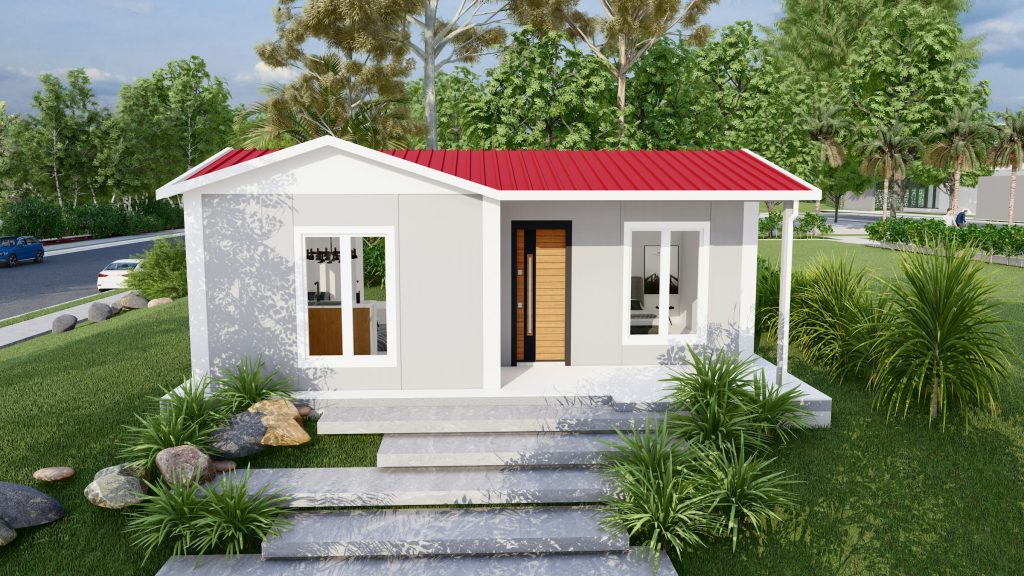
Featured image: Illustrative small prefabricated home, not identified as a UMH property. Photo: Adnan Kahveci/Unsplash.