Weekly Real Estate News


Simple Content Summary: Boston Mayor Michelle Wu has proposed easing several development requirements without reducing the city’s underlying inclusionary affordability percentage. The package would temporarily exempt seven- to nine-unit projects from inclusionary zoning, reduce certain condominium fees, and spread affordable-housing payments over seven installments. The changes still require municipal approvals.
Boston is considering a recalibration of its housing-development rules as high financing and construction costs leave some proposed projects unable to move forward. Mayor Michelle Wu’s administration announced a package of targeted changes to inclusionary zoning and commercial linkage payments, seeking to lower developers’ upfront costs without eliminating the city’s affordable-housing commitments.
Under the city’s official proposal, the threshold triggering inclusionary zoning would rise temporarily from seven to 10 residential units for two years. Projects with seven, eight or nine homes would no longer be subject to the requirement during that period if the changes are approved.
Four proposed changes for residential developers
Boston would allow developers to make affordable-housing payments in seven installments rather than two. The administration argues that spreading payments over time could improve construction financing and make marginal projects feasible.






It would also reduce the condominium payment-in-lieu calculation from 75% to 50% of the difference between market-rate and income-restricted unit values. That is a reduction in the specified fee formula, not a blanket cut in the number of affordable units required for all projects.
The proposal would move the existing half-mile restriction for off-site inclusionary units out of zoning and into Mayor’s Office of Housing policy, potentially allowing affordable units to be created farther from the market-rate project while remaining within Boston.
Crucially, the administration has not proposed reducing its underlying 17% affordable-unit set-aside plus 3% voucher-related requirement. That distinction separates the plan from a wholesale rollback of affordability mandates.
Commercial linkage payments would be stretched out
For commercial development, the city proposes freezing linkage fees at current levels through 2027 rather than allowing scheduled increases. Affordable-housing linkage payments would also move from two installments to seven, while job-training payments would remain on the existing two-installment schedule.
The commercial provisions target an especially weak development pipeline. Boston officials told local reporters that only one commercial project under review would face a linkage payment in 2026, underscoring how few new projects are moving forward under current conditions.
Housing affordability versus construction feasibility
The policy debate reflects a tradeoff familiar to housing markets nationwide. Requirements that fund income-restricted homes can also raise the amount of equity or financing needed to begin a project. When interest rates, insurance, labor and materials costs rise, a project that previously penciled out may no longer work.
Boston says its inclusionary housing policies have supported more than 5,000 income-restricted homes completed or under construction as of June 2026, while developers have contributed more than $200 million to the inclusionary fund. The administration’s argument is that more flexible payment timing can preserve those benefits while encouraging new construction.
There is no guarantee the changes will revive a particular project. The practical test will be whether developers secure financing and start construction, and whether Boston maintains the affordable housing production and funding it intends to protect.
What happens next
The amendments are proposed, not enacted. City officials expect the Boston Planning & Development Agency board to consider them November 12, followed by the Boston Zoning Commission. Inclusionary zoning changes also require Boston City Council consideration.
That timeline matters for developers: the current rules remain operative unless and until the relevant approvals are secured. WRE News will monitor the votes and any changes to the final language.
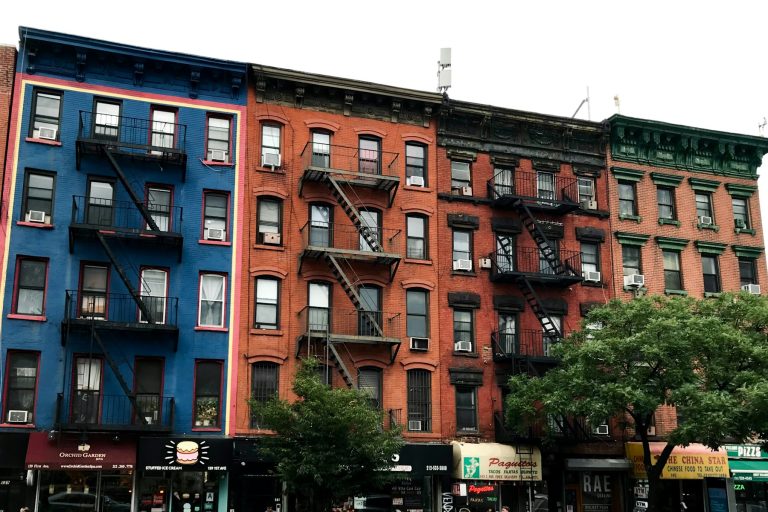
Sources: City of Boston, Mayor’s Office announcement; WBUR reporting on the November 9 announcement. Featured photograph: illustrative Boston neighborhood image by Brett Wharton / Unsplash.