 Weekly Real Estate News
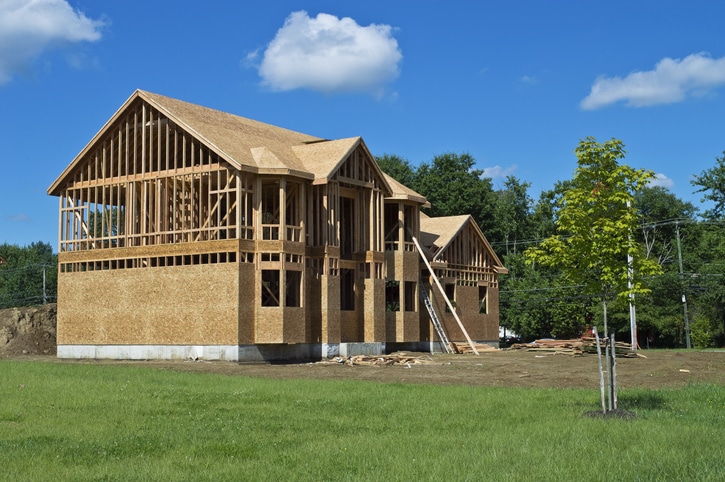

The Departments of Housing and Urban Development (HUD) and Agriculture (USDA) have rescinded a Biden-era policy requiring all new home construction ineligible for an FHA or USDA-backed mortgage loans unless the property was built according to the 2021 International Energy Conservation Code (IECC).
In a joint statement, HUD and USDA said enforcing the 2021 IECC as a mandatory nationwide standard would add between $20,000 and $31,000 to new home construction, thus driving up housing prices and preventing many first-time homebuyers from purchasing properties. The added cost would also complicate the construction process, with longer permitting and inspection timelines.
The compliance date for the 2024 Final Determination was delayed by the Trump administration while a July 2025 Request for Information (RFI) sought additional comment from stakeholders. Following a review of these comments, the FHA and USDA loan programs will now comply with the energy efficiency standards that were in effect prior to the publication of the 2024 Final Determination.
“By rescinding this mandate, we are removing a significant regulatory barrier that added tens of thousands of dollars to the cost of a new home,” said HUD Secretary Scott Turner. “The Trump Administration’s focus is to facilitate new housing supply and ensure that every American family has a path to homeownership without being sidelined by bureaucratic red tape.”






“Affordable rural housing is a top priority for the Trump Administration, and we are focused on removing all the unnecessary restrictions that artificially drive up new home prices,” said USDA Secretary Brooke Rollins. “We launched the Rural Revival Agenda at USDA to bring rural communities to the forefront of our actions, and this joint determination restores common sense to our programs and ensures that we can continue bringing new affordable housing supply online for Americans.”
Mortgage Bankers Association (MBA) President and CEO Bob Broeksmit welcomed the news, declaring, “This action reduces regulatory red tape that hinders new housing production and limits affordability – particularly for first-time and rural homebuyers. MBA has consistently emphasized that increasing housing supply is essential to improving affordability, and policies that unnecessarily raise construction costs work against that goal. We will continue to work with both agencies to advance policies that support sustainable homeownership, expand housing supply for owning and renting, and ensure that creditworthy borrowers across the country have access to affordable mortgage financing.”
Bill Owens, chairman of the National Association of Home Builders, also welcomed the news by stating, “Compliance with the rule would have placed significant new cost pressures on home builders and multifamily developers, making it harder to deliver the affordable, attainable communities that are urgently needed. Research shows that adopting these standards could have added between $9,600 and $21,400 to the price of a new home depending on the climate zone. By repealing this onerous mandate, the Trump administration is making it easier for builders to construct more housing supply at an attainable price for Americans.”

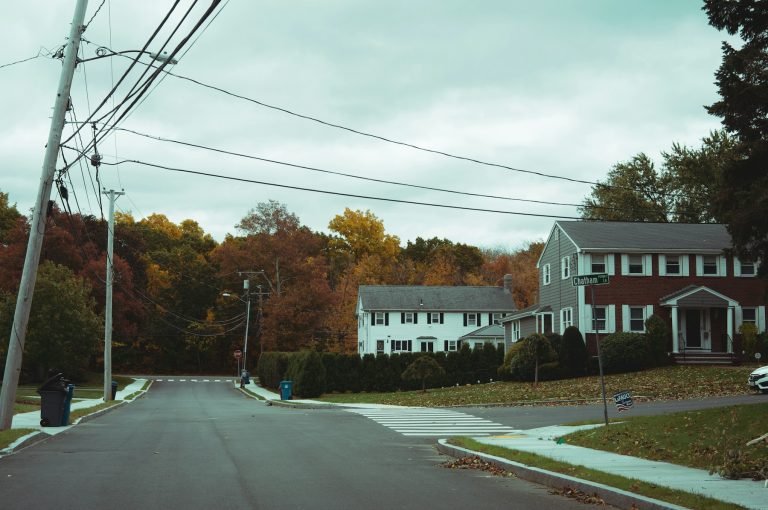

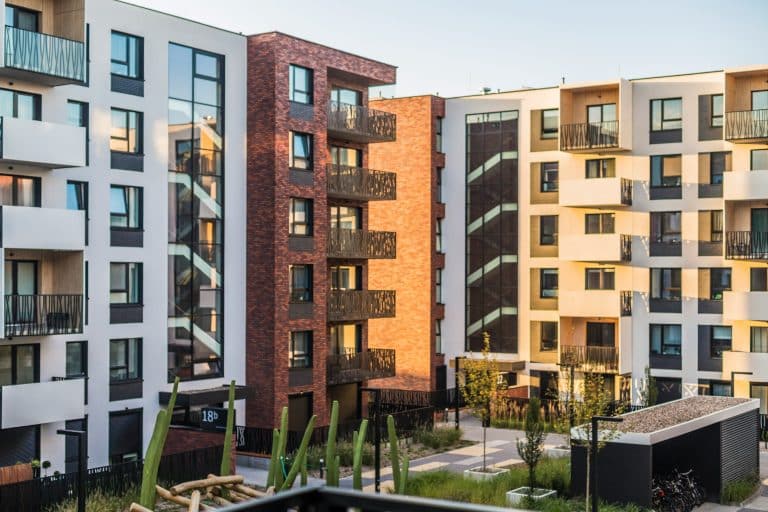
Rescinding these overreaching regulations (and there are others that need to be rescinded) will dramatically help keep new home construction costs lower and in turn lessen pricing pressure on resale homes. Consumer who desire these energy savings enhancements can certainly choose to add them into the building of their home. If this consumer desire becomes overwhelming then many building will add them as a matter of course. Less overbearing regulation of the housing industry will lead to more homes being built and more purchasers entering the market and becoming home owners vs remaining longtime renters.