Weekly Real Estate News

Summary
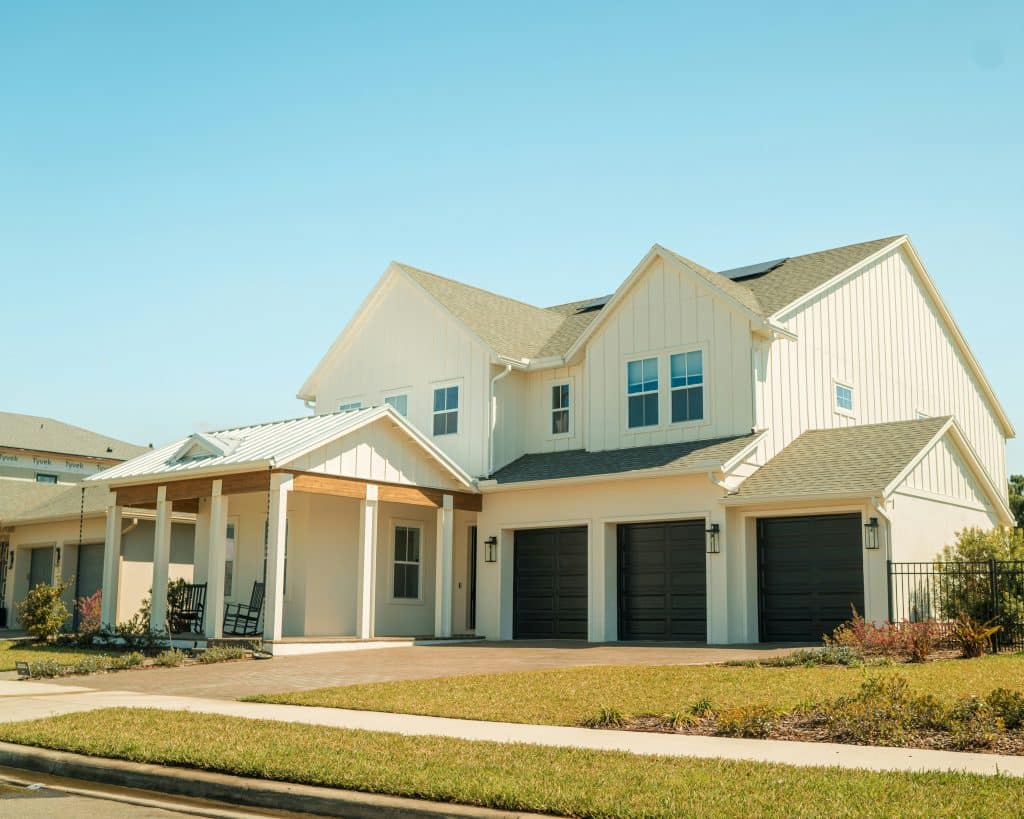
NAHB Nov 19 2026: 2025 NGBS standard aligns mandatory energy practices with 2021 IECC, offers alternate compliance paths and new +ZERO EMISSIONS and +LOWER CARBON designations. Primary https://www.nahb.org/blog/2026/11/ngbs-energy-efficiency-updates. Illustrative image 100651 Eric Ardito / Unsplash 2880x2304. Not a claim of code adoption or certification of pictured house.
Home builders pursuing green certification have new ways to demonstrate energy performance under the 2025 National Green Building Standard, including routes that recognize other established energy programs and two additional certifications addressing zero emissions and lower carbon.
The National Association of Home Builders outlined the changes November 19, 2026. Although the standard is labeled 2025, NAHB’s latest explanation details how builders, developers and local officials can apply its updated energy provisions. The revisions matter to residential construction because compliance costs and the ability to demonstrate performance can influence design choices, permitting and project economics.
Updated minimum practices
The 2025 standard aligns mandatory energy practices with the 2021 International Energy Conservation Code. Among the requirements NAHB identifies are air-infiltration testing, duct-leakage testing and direct-exhaust kitchen ventilation. These measures are intended to address energy losses and indoor environmental performance, although actual results depend on installation quality and building operation.






The standard also permits several ways to measure energy improvements, including energy cost, site energy, source energy and carbon emissions. That flexibility allows projects with different equipment, energy sources and regional conditions to demonstrate performance without relying exclusively on one prescriptive pathway.
Alternative certification pathways
NAHB says the Bronze tier can recognize ENERGY STAR Single-Family New Homes version 3.1, ENERGY STAR Multifamily New Construction version 1.1 or compliance with the 2021 IECC. Silver can recognize later ENERGY STAR versions or the 2024 IECC. Gold includes pathways involving DOE Efficient New Homes and the International Green Construction Code, while Emerald includes net-zero energy and specified zero-energy or PHIUS certifications.
These pathways do not mean every building automatically qualifies for an NGBS tier simply by displaying another program’s label. Builders must follow the applicable NGBS requirements and verification procedures. The practical benefit is the potential to reduce duplicated documentation where a project has already met recognized performance criteria.
New zero-emissions and lower-carbon options
The +ZERO EMISSIONS designation is available only to buildings certified under the 2025 NGBS that meet the standard’s net-zero-energy requirements and use all-electric systems. The +LOWER CARBON designation recognizes certified buildings that minimize operational and embodied carbon through design, material selection and lifecycle analysis.
The distinction between operational and embodied carbon matters. Operational emissions arise from the energy a building uses; embodied emissions arise from producing and transporting materials and constructing the building. A project can improve one measure without necessarily improving the other.
Local code implications
NAHB identifies Maryland, Utah and Chicago as jurisdictions where NGBS Green Certification can serve as an optional compliance pathway for certain energy-efficiency or above-code requirements. Builders should confirm the precise local adoption, eligible project type and approval process before assuming certification replaces any code obligation.
The changes arrive amid pressure on housing costs. WRE News recently reported that newly built homes carried a lower national median sales price than existing homes in the third quarter, even as mortgage payments remained burdensome for typical households. Energy performance can affect long-term operating costs, but the standard itself does not establish how much any particular buyer will save.
For builders, the immediate question is whether the added compliance flexibility can deliver measurable energy improvements without unnecessarily complicating approvals. For buyers, the important distinction is between a certification’s stated requirements and verified performance of an individual home.
Primary source: National Association of Home Builders, November 19, 2026.
Illustrative residential photograph: Eric Ardito / Unsplash. The pictured house is not represented as NGBS certified.