 Weekly Real Estate News


Summary
Trepp Nov 10 2026: life insurer industrial collateral median 250000 sq ft among 533 single-property loans with reported size, vs 112482 sq ft among 5462 securitized properties; life-company sample 1648 loans/$34.92B, securitized 5462 properties/$71.77B. Primary https://www.trepp.com/trepptalk/life-companies-industrial-buildings-twice-cmbs-size. Featured media 100645 Ryan Parker/Unsplash 2880x1970. QA render pending.
Life insurance companies finance substantially larger industrial properties than those backing securitized commercial mortgages, according to a November 10 analysis from commercial real estate data firm Trepp. The median industrial building in its life-company sample measured 250,000 square feet, more than twice the 112,482-square-foot median for buildings backing commercial mortgage-backed securities and commercial real estate collateralized loan obligations.
The comparison helps explain why broad industrial property statistics can obscure important differences between lender groups. The same property sector can have very different collateral profiles depending on which capital source originated or acquired the loan.
Two financing channels, two property profiles
Trepp based its life-insurance-company median on 533 single-property industrial loans with a reported building size. Those were drawn from a larger group of 1,648 industrial loans representing $34.92 billion tracked by its LifeComps Index. The securitized comparison encompassed 5,462 properties backing $71.77 billion of CMBS and CRE CLO industrial debt.






That distinction in sample construction is essential. The median building-size comparison is based on the properties for which the relevant information was available, not a claim that every life insurer finances larger warehouses or that the entire industrial market has the same distribution.
Why property size matters for financing
Large industrial buildings can differ from smaller assets in tenant concentration, lease duration, capital requirements and the pool of potential buyers. A single-tenant distribution center may offer a different risk profile from a collection of smaller industrial facilities, even when both are categorized as industrial real estate.
For lenders, the implications extend beyond square footage. Underwriting must account for rent rolls, tenant credit, local supply, replacement costs, property functionality and the borrower’s ability to refinance. A building’s size by itself does not determine credit quality or investment performance.
Trepp’s finding is descriptive rather than a verdict on the superiority of one financing channel. It does, however, provide a useful caution for investors comparing loan portfolios: two pools labeled industrial may have meaningfully different underlying properties.
A more precise way to read industrial loan data
The comparison arrives amid continued scrutiny of commercial property refinancing and loan modifications. WRE News recently reported on the performance of modified CMBS debt, underscoring how property fundamentals and financing structures interact when loans mature.
Industrial real estate is not immune to higher borrowing costs, but the financing experience of a large distribution facility should not automatically be generalized to every warehouse, light-industrial building or flex property. For brokers, lenders and investors, collateral-level comparisons remain more informative than sector labels alone.
Primary source: Trepp Research, November 10, 2026, “Life Companies Finance Industrial Buildings Twice the Size of CMBS Collateral.”
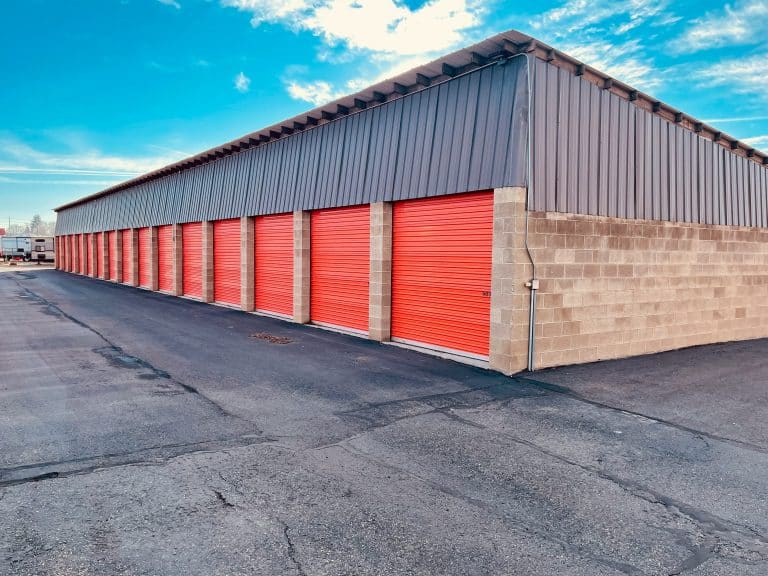
Featured photograph is illustrative and does not depict collateral identified in Trepp’s research. Photo: Ryan Parker / Unsplash.