Weekly Real Estate News
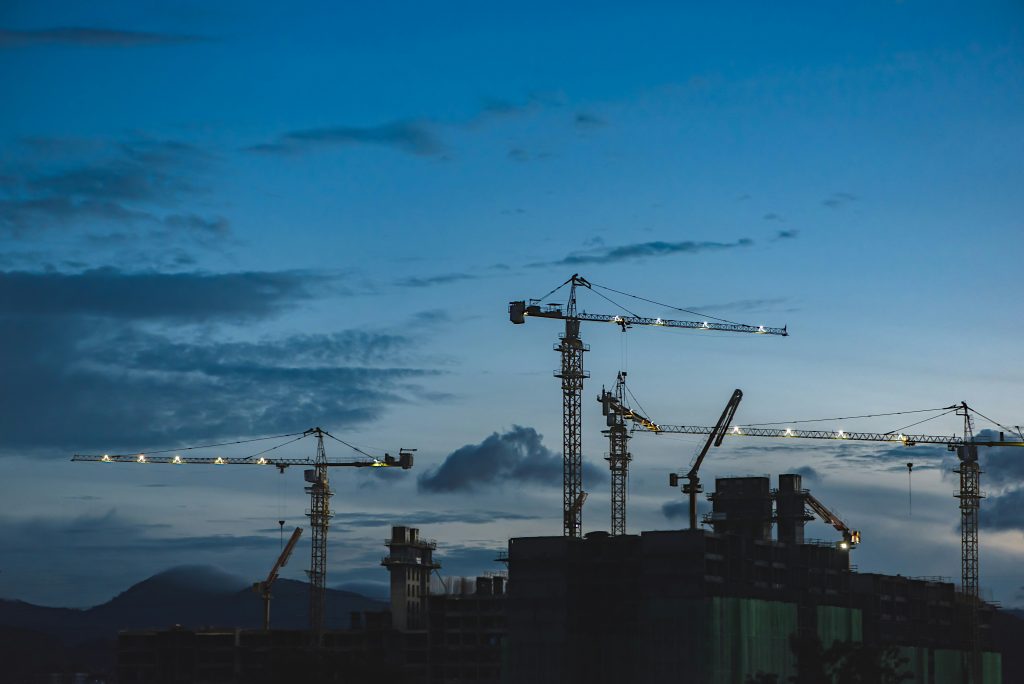

In brief: Construction firms are facing a sharp rise in input costs at the same time that demand for many projects remains weak. New September data show fuel and metal prices driving the biggest increases, while steel delivery delays threaten project schedules.
Prices for inputs to new nonresidential construction increased 11.9% between September 2025 and September 2026, their steepest annual rise in four years, according to an October 15 analysis by the Associated General Contractors of America of federal producer-price data.
The measure covers materials and services used in new nonresidential projects. It is not the same as the overall Producer Price Index, and it should not be interpreted as an 11.9% increase in the cost of every new home.
Diesel and metals lead the increases
AGC said the producer price index for diesel fuel at the refinery or terminal level increased 115.2% over 12 months. Liquid asphalt rose 17.7%, while truck freight transportation increased 19.3% as carriers passed on higher operating expenses.






Prices for aluminum mill shapes climbed 25.2% from a year earlier. Steel mill products rose 27.6%, and copper and brass mill shapes advanced 30.0%. Precast concrete products, which incorporate steel reinforcement, increased 10.5%.
In a separate October 15 analysis, Associated Builders and Contractors reported that its construction-input price index rose 2.2% in September alone and 11.2% year over year. Its nonresidential index increased 2.3% for the month. The two trade groups use different price baskets, explaining the difference between their annual figures.
Delivery schedules are also at risk
Contractors told AGC that some steel producers had full order books through spring 2027, and some buyers were being offered only a fraction of the beams they ordered. Those are industry reports, not a government measure of nationwide shortages.
Supply constraints can have consequences beyond higher bids. Delays in obtaining structural steel may push back construction starts or completion dates, extending interest carry and other financing costs on projects already underwritten to tight margins.
AGC said many contractors are absorbing cost increases because demand remains soft outside sectors such as data centers. That pressure could force owners and lenders to revisit budgets, contingencies and financing assumptions for projects that have not yet broken ground.
Why housing professionals should pay attention
Homebuilders face a different mix of inputs than commercial contractors, but many of the same pressures—diesel, transportation, metals and financing costs—flow through the residential supply chain. Developers that locked construction budgets months ago may face particularly difficult change orders.
The findings follow a broader September producer-price report and underscore a growing challenge: even where land is available and projects have approvals, the cost of delivering new space may rise faster than buyers and tenants can absorb.
The October 15 reports are a catch-up item rather than a new Sunday announcement. The underlying September price data were released before the weekend.