Weekly Real Estate News
Summary
A federal judge approved a $4 million civil settlement with the estate of former New York landlord Harry D. Silverstein over lead-paint disclosure and renovation violations at approximately 1,000 apartments in 14 buildings. Prosecutors reported at least 11 children tested positive for lead poisoning in the buildings after 2012; the settlement includes specific estate acknowledgments.
The estate of a former New York City landlord must pay a $4 million civil penalty under a federal settlement involving lead-paint disclosure and renovation practices at a portfolio of roughly 1,000 apartments.
U.S. District Judge Dale E. Ho approved the agreement October 21, according to an October 22 announcement from federal prosecutors. The government brought the civil case against the estate of Harry D. Silverstein, who owned or controlled interests in 14 New York City apartment buildings constructed before 1978. Silverstein died in 2016; his estate continued to own or manage the buildings until their eventual sale, in some cases as late as 2020.
The complaint alleged years of violations of two federal requirements. The Lead Disclosure Rule requires landlords to provide tenants with specified information about known lead hazards before entering leases. The Environmental Protection Agency’s Renovation, Repair and Painting Rule imposes certification, training and work-practice requirements on covered renovation work that may disturb lead-containing surfaces.






Allegations involving tenants and renovation contractors
Federal authorities alleged that Silverstein and the estate repeatedly failed to provide the required disclosures and used uncertified contractors for work that could disturb painted surfaces. The Justice Department said at least 11 children tested positive for lead poisoning in the buildings after 2012 while the landlord or estate owned or managed them.
That count is an important part of the government’s account, but the announcement does not establish that every positive test was caused by a particular violation or identify the circumstances of each child’s exposure. Lead exposure is associated with serious developmental and neurological risks, especially for young children.
The settlement contains specific acknowledgments by the estate, including its interests in entities controlling 14 pre-1978 buildings and the existence of city lead-paint violations during Silverstein’s ownership. It also acknowledges that, on one or more occasions, the estate could not locate evidence that required warning statements or informational pamphlets had been provided to tenants. Those admitted matters should be distinguished from the full scope of allegations in the complaint.
Compliance obligations extend beyond the original landlord
Lead-safety rules apply to a wide range of older rental properties, including buildings that change hands or undergo management transitions. A landlord’s inability to produce required tenant notices or contractor records can become a significant problem long after the underlying lease or renovation took place.
Property owners and managers dealing with pre-1978 housing should maintain accessible records of hazard disclosures, tenant acknowledgments, contractor certifications and renovation procedures. The federal EPA renovation program sets out the applicable requirements and exceptions.
The $4 million payment is a civil penalty under a court-approved settlement, not a criminal sentence. The government’s complaint and settlement documents are linked in the Justice Department’s announcement. No new criminal charges were announced in this matter.
The enforcement action comes just before National Lead Poisoning Prevention Week, scheduled for October 25–31. For the multifamily industry, the case underscores the continuing liability attached to aging buildings and incomplete documentation, even when properties have been sold and the original owner is deceased.
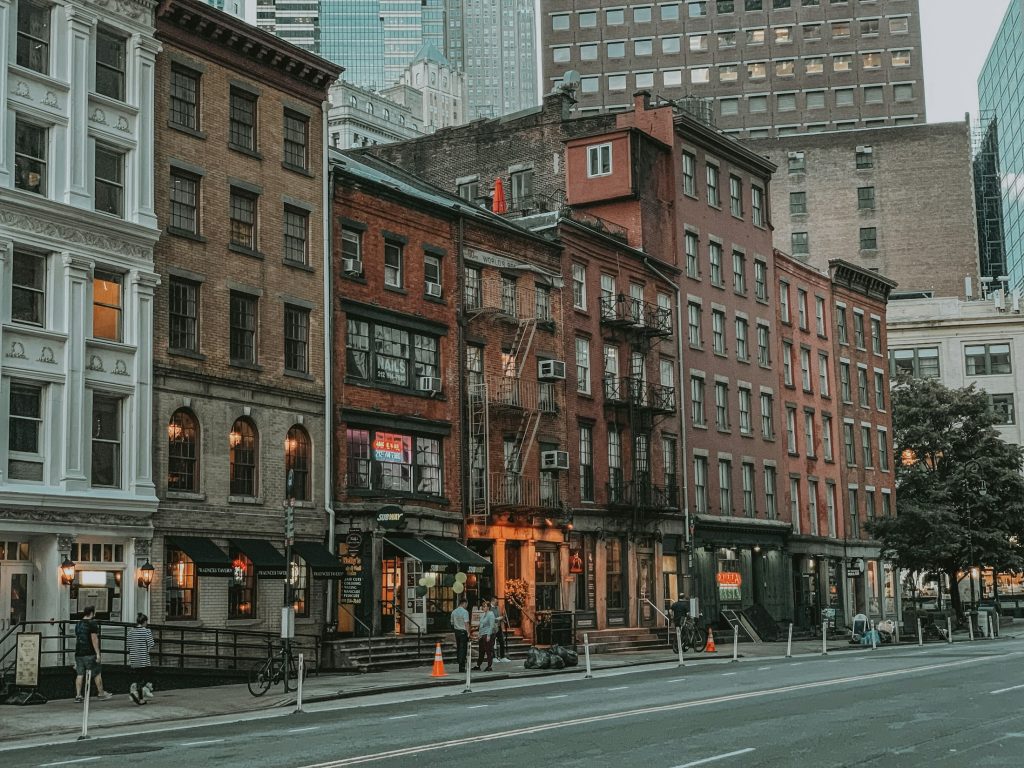
Source: U.S. Attorney’s Office, Southern District of New York, October 22, 2026. Featured photograph: DAVID NIETO / Unsplash; illustrative New York apartment building, not identified as a property in the case.