Weekly Real Estate News

Summary
Boxabl announced a nonbinding letter of intent with Warp Speed Holdings on November 10, 2026, to explore a mortgage and construction lending joint venture for modular housing. An early 2027 launch is only a target.
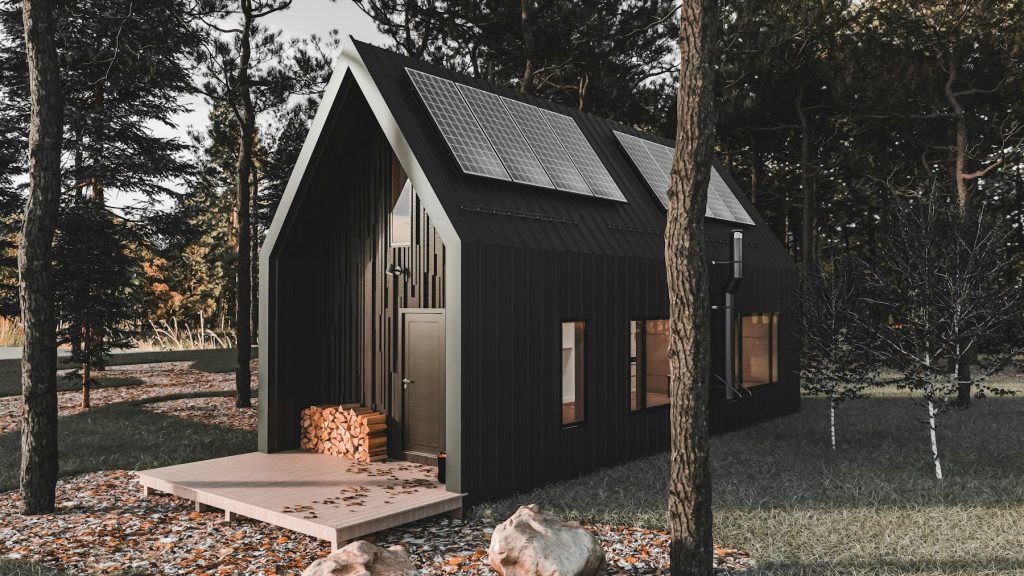
Modular-home manufacturer Boxabl has signed a nonbinding letter of intent with Warp Speed Holdings to explore a mortgage lending joint venture, an attempt to address a financing obstacle that can limit factory-built housing sales.
In its November 10 announcement, Boxabl said the proposed venture would focus on homebuyer mortgages and construction financing. The companies are targeting an early 2027 launch. The announcement does not establish that a lender has been formed, that regulatory approvals have been obtained or that financing is available to customers today.
Financing remains a practical hurdle
Factory-built housing can move some construction work away from the jobsite, but buyers still need land, installation, utilities, permits and a loan that matches the property’s legal and physical characteristics. A modular home permanently affixed to land can present different underwriting questions from a manufactured home or a unit treated as personal property. The announcement did not specify which products would qualify or how the venture would handle those distinctions.



Boxabl described Warp Speed as an institutional lending partner with more than $2 billion in assets across its businesses and affiliates. That is the company’s description of its prospective partner’s scale; it is not a commitment to finance $2 billion of Boxabl homes. The companies also did not disclose proposed loan rates, down payment requirements, credit standards, loan servicing arrangements or the ownership structure of a completed joint venture.
The proposed structure could help coordinate construction draws and end-buyer financing if it eventually becomes operational. Builders and lenders know that a construction loan’s timing may not align neatly with a factory’s production and delivery schedule. Delays involving permits, foundations or utility connections can create additional carrying costs even when the manufactured component is ready.
What remains undecided
A letter of intent commonly identifies areas for negotiation without obligating either party to close a transaction. Boxabl expressly characterized this agreement as nonbinding. Its early 2027 timetable is therefore a target, not an announced start date for a licensed lending operation. Future disclosures will need to establish whether the companies reach definitive terms and what financing products they actually offer.
The proposal comes as housing manufacturers seek ways to convert interest in lower-cost construction methods into completed sales. Financing is one part of that challenge. Local land prices, zoning, site preparation, insurance and transport costs can determine whether a modular home delivers a meaningful affordability advantage in a particular market.
Prospective buyers should not assume the announcement changes their current borrowing options. Until a program launches and publishes terms, the most useful next developments will be a binding agreement, lender licensing disclosures and actual loan eligibility criteria.
Source: Boxabl’s November 10, 2026 announcement.