 Weekly Real Estate News
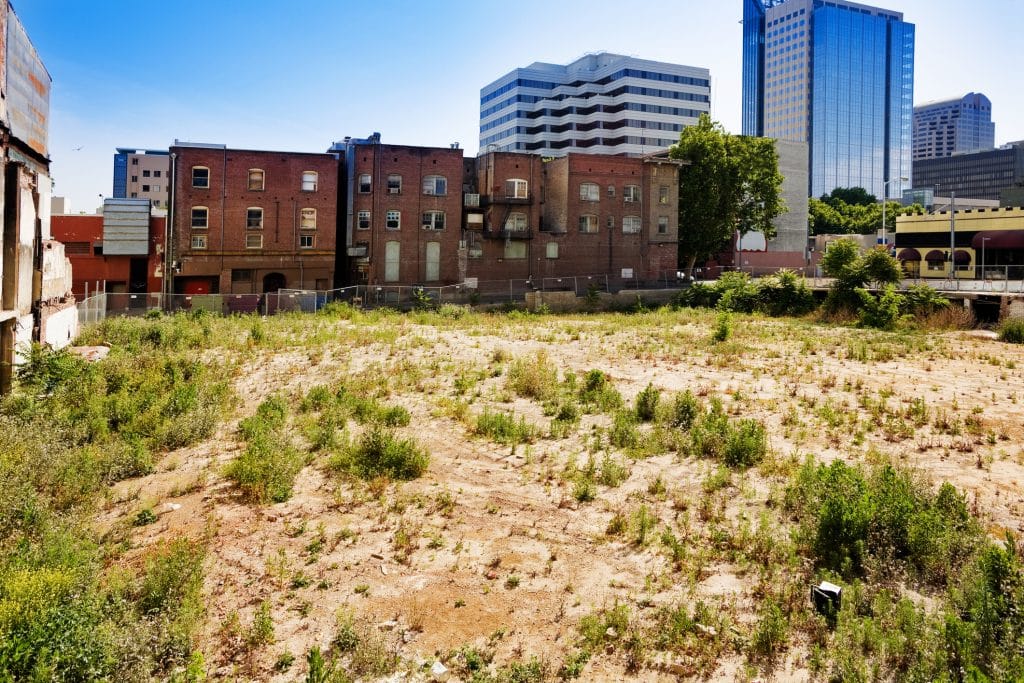





Baltimore’s City Council is considering a new bill that would boost property taxes on vacant lots.
The Baltimore Banner reports that vacant lots are taxed $2.248 per $100 of assessed value, the same rate as parcels with structures. Last year, the City Council voted to tax vacant buildings at three times the current property tax rate – that hike begins in the summer of 2026. But vacant lots were not included in that tax hike.
The new proposal from Councilwoman Odette Ramos quadruples the property tax on vacant lots. If the taxes on a property aren’t paid, the city can put a lien on them, which would launch the process that enables the city to foreclose on the properties.
“We’re not using this as a revenue generator,” Ramos said. “Ultimately, the reason for a vacant property tax is to incentivize the owner to do something with the lot.”
Furthermore, Ramos’ bill ends the sunset provision in the 2024 vacant property tax law, which would have ended the higher tax rates after 2029. With Ramos’ bill, the higher rates would remain permanently.
Photo: Slobo / Getty Images









Well thats just great! I’d love to do something with 2 properties I own the note on… but due to not being able to kick out squatters who have lived there for 4 years now, who seemingly have more rights than I do as the note holder, I have given up. The mortgage holder of my note has been MIA for years. The water bill is now upwards of $30,000.00 – YES, that’s correct, thirty thousand! I can’t have the water turned off as I am not the owner of record… just the note holder! I’d love to renovate and sell, but can’t afford to pay city waters liens, property taxes etc. It would be at a huge loss to me… the note holder! How about we start with Public Works issues!
The thought process of making owners of vacant land and buildings to do something with them so they are productive assets is a unique idea, at least to me. If the owners improve the vacant lots with new buildings or incorporate them with adjacent parcels already productive then the area shows signs of improved vitality. The Lots would have to be well cared for instead of being left unattended as many inner city or urban lots came be with investor owners. Current owners will be punished in the market for selling high taxed vacant buildings and lots. If its like Indiana sellers pay a years worth of taxes at closing since ours are assessed 1 year in arrears. The fair market value and taxes are a lot like bonds and interest rates. The higher the interest rate the lower bond prices & vice versa. If the new owners are granted a lower tax base if they submit a gentrification plan and follow up with actual significant property improvements in a very timely manner then the higher property taxation is a game changer. The higher property tax incentive should cause some additional property ownership movement. If not then the city gets additional needed revenues from this higher taxation and possibly redevelopment buildings & land via the foreclosure process. A city land bank could make vacant properties more attractive to investors and get the city out of ownership as soon as feasibly possible. Regardless there will be some losses with some being severe to current private owners and also some gains in the public and private sectors. This is a tale worth watching over a 5-10 year period in Baltimore.