Weekly Real Estate News

Summary
Realtor.com analysis of the 2025 American Community Survey shows 41% of U.S. owner-occupied homes were mortgage-free, up from 32.8% in 2010. Mortgage prevalence varies substantially by region and state: West Virginia leads outright ownership at 56.6%, while the District of Columbia is lowest at 26.5%. The report examines implications for mortgage-rate lock-in and housing turnover, distinguishing the geographic findings from WRE's prior senior-owner story.
Four in ten U.S. owner-occupied homes are now owned without a mortgage, but the national average conceals a sharp divide in how exposed different housing markets are to interest-rate changes.
A November 16 analysis by Realtor.com economist Jiayi Xu of the Census Bureau’s 2025 American Community Survey finds that 41.0% of owner-occupied homes were owned free and clear, compared with 32.8% in 2010. The remaining 59.0% carried mortgage debt. These are shares of owner-occupied housing units, not all housing units, and they do not measure the percentage of recent purchases made in cash.
Mortgage exposure varies sharply by state
West Virginia had the highest outright-ownership share, at 56.6%, followed by Mississippi at 52.7% and New Mexico at 50.0%. At the opposite extreme, only 26.5% of owner-occupied homes in the District of Columbia were mortgage-free. Maryland stood at 30.6%, Colorado at 31.6%, Utah at 33.2% and California at 34.4%.






The West was the most mortgage-dependent region: 63.8% of owner households carried a loan, compared with 56.8% in the South and 58.7% in both the Northeast and Midwest. These differences matter because a homeowner with a paid-off property does not have an existing mortgage rate to surrender when selling. That does not mean the homeowner is immune to housing costs, property taxes or the cost of financing a replacement purchase.
Large metros show the same divide
Among the 50 largest metropolitan markets, the research identifies Miami as having the highest share of outright owners, at 45.9%, followed by Buffalo at 45.6% and Pittsburgh at 45.5%. The Washington metropolitan area, by contrast, had only about 26.8% of owners without a mortgage; Denver’s share was 27.7% and Raleigh’s was 29.4%.
Mortgage prevalence is not a direct measure of affordability or financial distress. Local home prices, population age, migration, household tenure and historic borrowing patterns all affect the numbers. A high outright-ownership share may reflect longstanding residents who have finished paying off loans rather than a surge of buyers paying cash today.
What it means for inventory and lending
For mortgage lenders, the report helps explain why a single national rate change can have different effects on housing turnover. Owners carrying low fixed rates may postpone selling rather than finance another home at a substantially higher rate. Mortgage-free owners face no comparable lock-in on their existing loan, although their next purchase can still be sensitive to financing costs.
The findings also complicate expectations about generational housing turnover. WRE News previously reported the separate finding that nearly four million homeowners aged 75 and older still carry mortgage debt. That age-specific story and the new national geographic breakdown are complementary: the first examines older borrowers, while this analysis examines mortgage prevalence across all owner-occupied households and markets.
The 41% figure is a 2025 survey estimate published in November 2026, not a real-time reading of mortgage payoffs in November. It should be interpreted alongside changing mortgage rates, inventory and local transaction data rather than as evidence that 41% of homes currently listed are mortgage-free.
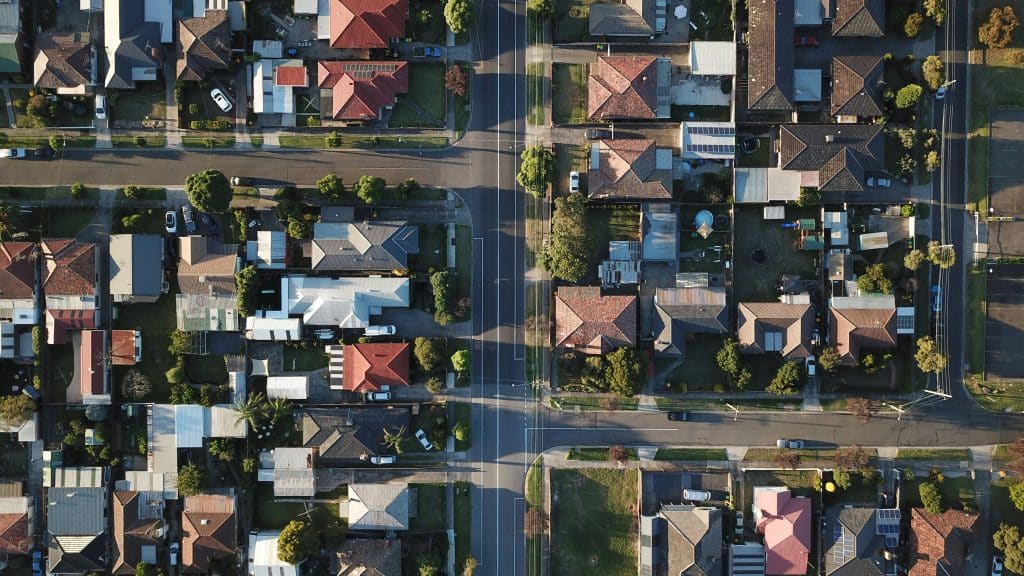
Sources: Realtor.com Economic Research, Jiayi Xu, November 16, 2026, based on the U.S. Census Bureau’s 2025 American Community Survey one-year estimates. Featured illustration: Tom Rumble / Unsplash.