 Weekly Real Estate News

Summary
MBA Nov 20 2026: new-home applications -13.6% YoY, -7% MoM unadjusted; MBA sales estimate 592000 SAAR, 44000 unadjusted; average loan 368934. Primary MBA November 20 Builder Application Survey. Featured image 100718 Troy Mortier Unsplash 2880x1920. Draft; publication and rendered QA pending.
Mortgage applications to purchase newly built homes fell 13.6% from a year earlier in October, according to the Mortgage Bankers Association’s November 20 Builder Application Survey. Applications also declined 7% from September, before seasonal adjustment, marking another sign that higher borrowing costs are restraining buyers even as builders continue to offer incentives.
The result is distinct from MBA’s estimate of completed new-home sales. Its model puts October single-family new-home sales at a seasonally adjusted annual rate of 592,000, up 1.4% from September’s 584,000 pace. The difference between falling application volume and a modest monthly increase in an estimated annualized sales rate is not a contradiction: the two measures have different adjustments and construction.
Rates reshape the new-home market
MBA deputy chief economist Joel Kan said the 30-year fixed mortgage rate rose approximately 60 basis points over two months to 7.5% in October. The association reports that new-home purchase applications declined year over year for a fourth consecutive month. MBA attributed the weakening to affordability pressure and uncertainty about mortgage rates, notwithstanding builder incentives.






For builders, a mortgage-rate increase can affect both the monthly payment a buyer qualifies for and the economics of temporary or permanent rate buydowns. An incentive may reduce the effective payment for a particular borrower, but it cannot necessarily offset a broad decline in purchasing power. The new survey suggests the sales funnel remains under pressure even where builders are prepared to negotiate.
Estimated sales and loan sizes
On an unadjusted basis, MBA estimates 44,000 new homes sold in October, compared with 47,000 in September, a 6.4% monthly decline. The seasonally adjusted annualized estimate rose slightly, however, to 592,000 units. Neither figure should be described as the Census Bureau’s official new-home sales count. MBA derives its estimates from mortgage applications and assumptions about market coverage and other inputs.
The average loan size for newly built homes declined to $368,934 in October from $374,724 in September, a decrease of $5,790. That movement does not, by itself, establish that builders reduced home prices: differences in buyer mix, down payments and financed property values can also affect average loan amounts.
Government-backed borrowing remains important
Conventional mortgages accounted for 47.9% of October applications in the builder survey. FHA loans represented 36.9%, VA loans 14.1% and Rural Housing Service/USDA loans 1.0%. The mix underscores the significance of government-backed financing for buyers of new construction, particularly when down-payment requirements and qualification constraints influence purchase decisions.
Those shares describe applications captured by MBA’s builder-affiliated lender survey, not the complete national mortgage market. Nor do they establish that every applicant obtained a loan or closed on a home. Lenders and builders should watch conversion from application to closing alongside cancellation rates, financing concessions and inventory.
What the next reports can clarify
The October findings arrive alongside evidence of weaker builder sentiment. WRE News reported that the November NAHB/Wells Fargo builder confidence index fell to 25, with nearly half of builders cutting prices. That survey measures builder expectations and conditions rather than actual mortgage applications, but both point to an affordability challenge.
For comparison, WRE News’ broader weekly mortgage application coverage tracks purchase and refinancing activity beyond new construction. MBA’s Builder Application Survey focuses specifically on the homebuilder lending channel. The Census Bureau’s subsequent official new-home sales report will provide a separate measure of contracts signed and should not be presumed to match MBA’s estimate exactly.
Primary source: Mortgage Bankers Association, Builder Application Survey, November 20, 2026.
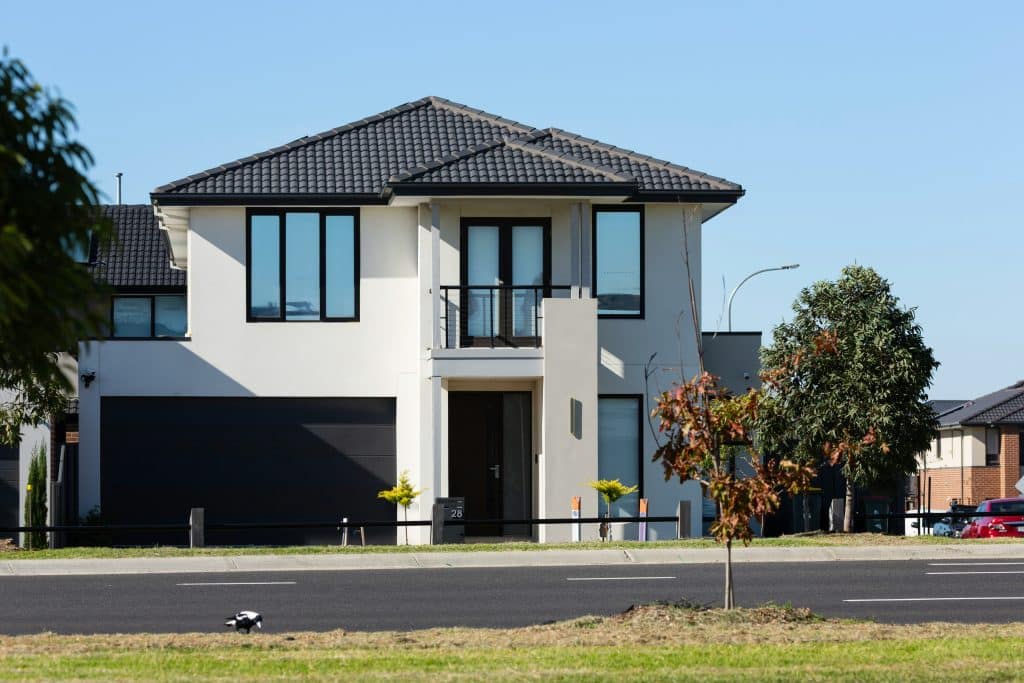
Featured photograph is illustrative; it does not depict a home identified in the survey. Photo: Troy Mortier / Unsplash.