Weekly Real Estate News

Summary
Nov 19 2026 Senate EPW Committee confirms BAAJA passed Senate 62-33; NAHB urges House action. Distinguish Senate passage from enacted law. Primary https://www.epw.senate.gov/press/rep/senate-passes-capitos-bipartisan-american-affordability-and-jobs-act/ and NAHB Nov19. WP draft 100688. Featured art/social QA pending; do not publish.
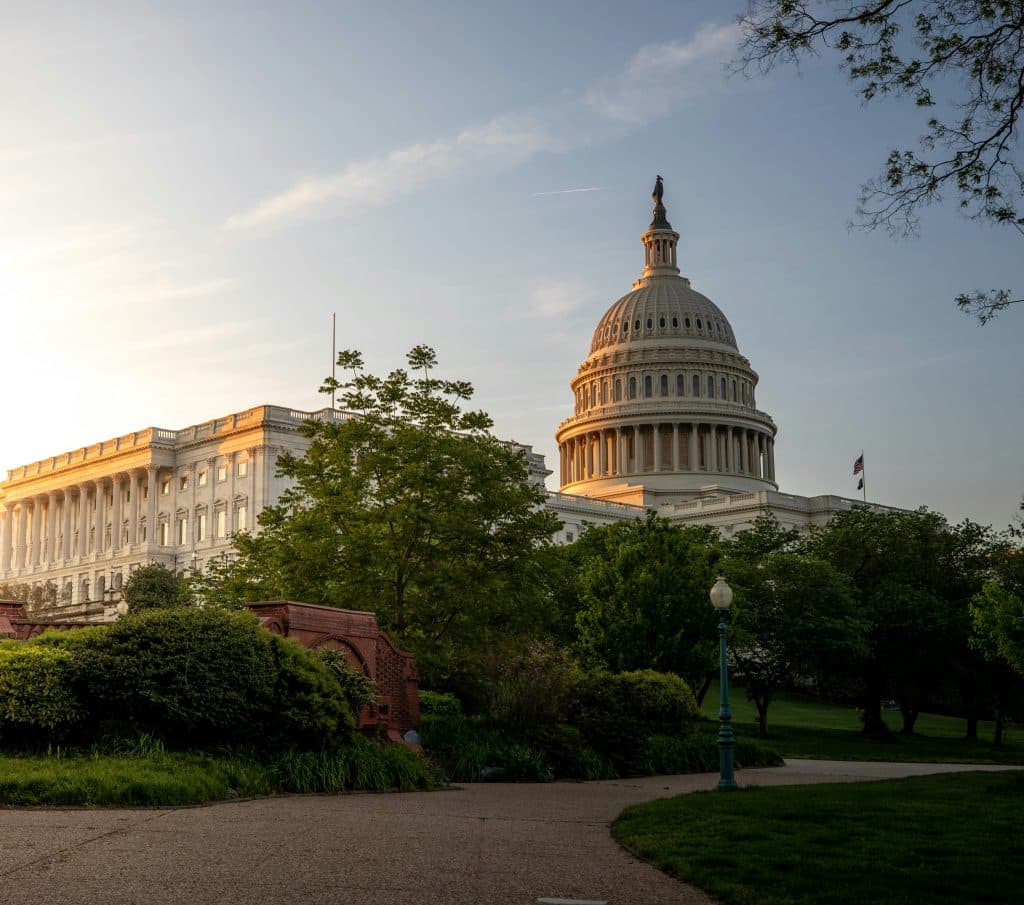
The U.S. Senate passed the Bipartisan American Affordability and Jobs Act on November 19 by a vote of 62–33, advancing an overhaul of federal permitting procedures that homebuilders say could reduce development delays and help ease housing costs. The measure now faces consideration in the House of Representatives and is not yet law.
The Senate Environment and Public Works Committee confirmed the vote in a November 19 statement. The National Association of Home Builders separately urged House lawmakers to act, arguing that federal approval delays and regulatory uncertainty add to the cost of building homes and apartments.
What the Senate approved
The bipartisan legislation was developed by Senators Shelley Moore Capito, Mike Lee, Sheldon Whitehouse and Martin Heinrich. Its provisions address environmental review deadlines, infrastructure and energy permitting, and other federal approval procedures. A substitute amendment released November 7 incorporated technical and clarifying changes before the final Senate vote.






NAHB has highlighted changes affecting Clean Water Act permitting, including acreage thresholds for nationwide permits and longer statutory authorization periods. The association also identifies potential benefits for multifamily development that relies on federal housing financing or environmental reviews. These are industry assessments of prospective effects, not independently measured reductions in construction costs.
Why permitting matters to housing
Developers often must coordinate local land-use approvals with state and federal reviews. When a project involves wetlands, infrastructure or federal funding, uncertainty over federal approvals can delay the start of construction, extend carrying costs and complicate financing. The proposed legislation targets some of those processes, but its effect would depend on final statutory language, agency implementation and the particular permits required by each project.
Not every housing development needs a major federal environmental permit, and the legislation would not automatically override local zoning, building codes or market conditions. Builders still face land costs, labor availability, materials prices and mortgage-rate pressures.
NAHB Chairman Bill Owens called on the House to pass the measure following the Senate vote. The association’s support reflects the construction industry’s priorities; environmental, infrastructure and energy provisions in the bill affect other constituencies as well.
Next steps
The House must consider the legislation before it can reach the president. Amendments or negotiations could change the final package, and the Senate’s vote does not itself create new permitting rules. Industry participants should monitor the final legislative text and subsequent agency guidance before changing project schedules or underwriting assumptions.
The debate comes as affordability remains under pressure. WRE News recently reported on the gap between new- and existing-home prices, an illustration of how price and financing pressures intersect with supply constraints.
Primary sources: Senate Environment and Public Works Committee, November 19, 2026; NAHB, November 19, 2026; Senate substitute-amendment announcement, November 7, 2026.