Weekly Real Estate News
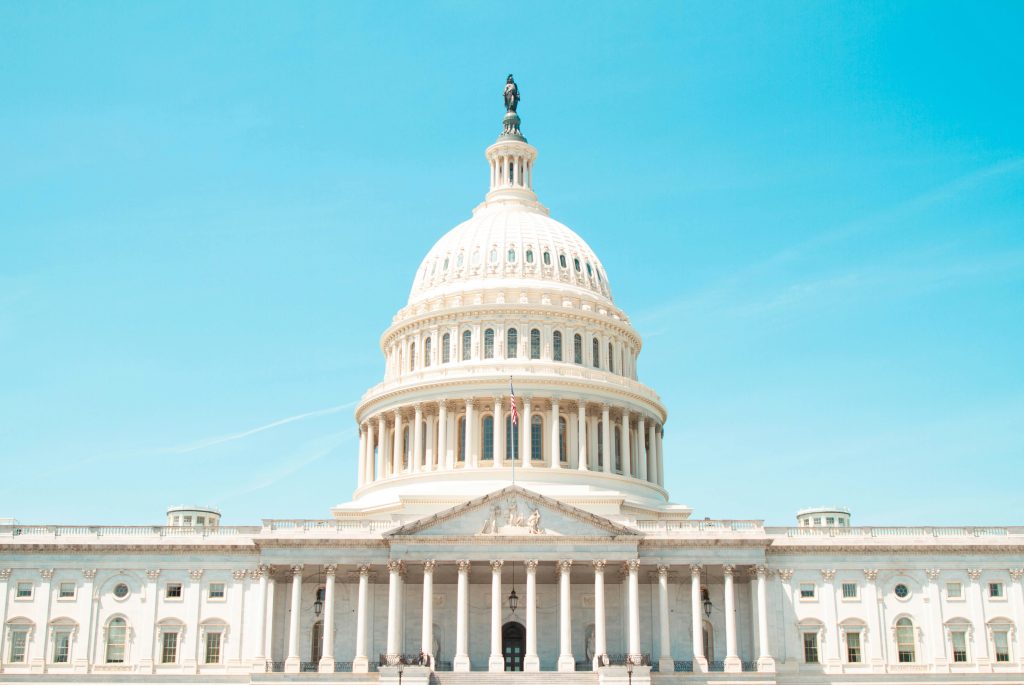

The House Financial Services Committee has advanced legislation that would substantially reshape the Consumer Financial Protection Bureau, sending a broad package of funding, supervision, rulemaking and enforcement changes to the full House.
The committee voted 28-21 to approve H.R. 10184, the Consumer Financial Protection Accountability and Reform Act of 2026, during a Sept. 16 markup. The committee formally announced Friday that the measure was among eight bills favorably reported to the House.
The legislation has not passed the House or Senate and is not law.
Bill would change CFPB funding and oversight
H.R. 10184 would move the CFPB into the regular congressional appropriations process, replacing its existing funding structure through the Federal Reserve. It would also establish a dedicated inspector general for the bureau and make changes to the handling of money remaining in the CFPB’s Civil Penalty Fund after payments to victims.
The bill would impose additional requirements on CFPB rulemaking, including cost-benefit analysis addressing compliance costs, competition, small businesses, credit availability and the price and availability of consumer financial products and services. It would also provide for periodic Office of Management and Budget reviews of major CFPB regulations.
Supporters describe the proposal as an effort to increase accountability and transparency at the bureau. Committee Chairman French Hill said the package would establish what he called “durable guardrails” while keeping the agency focused on consumer protection, competition, innovation and access to financial products.
Opponents have argued that moving the bureau into annual congressional appropriations and restricting its authorities could weaken its independence and consumer-protection role.
Supervision and enforcement would change
The legislation would also make significant changes to CFPB supervision. Among them, it would raise the asset threshold for the bureau’s supervision of banks, savings associations and credit unions from $10 billion to $30 billion, with later adjustments tied to nominal U.S. gross domestic product.
For certain institutions above that threshold, the bill would create a path for consumer-compliance supervision to be conducted primarily by their prudential regulator. It also establishes procedures governing referrals and subsequent CFPB enforcement.
For nonbanks, the legislation would revise statutory standards governing when the CFPB can exercise supervisory authority and would limit examinations to activities and records directly related to the consumer financial products or services that give the bureau jurisdiction.
The package also changes portions of the CFPB’s enforcement framework and establishes additional procedural requirements around supervision, investigations and regulatory guidance.
Separate CFPB investigative-demand bill advances
The committee also approved H.R. 1653, the Civil Investigative Demand Reform Act of 2025, by a 29-20 vote. That measure would change procedures governing CFPB civil investigative demands, including requirements concerning their factual basis, scope and review.
Both measures now move to the full House. Their advancement comes as Congress continues debating the future structure, funding and authority of one of the mortgage and consumer-finance industries’ principal federal regulators.
For mortgage lenders, servicers and other financial companies subject to CFPB oversight, H.R. 10184 could materially change how the bureau is funded, how it conducts examinations, which institutions it directly supervises and how it develops and enforces regulations. Those changes would take effect only if the legislation completes the congressional process and becomes law.