 Weekly Real Estate News

Summary
ATTOM reports U.S. foreclosure filings remained above year-ago levels in August 2026. Foreclosure starts rose 7% annually and completed foreclosures increased 42%, although overall foreclosure volumes remain well below housing-crash-era levels.
Foreclosure activity remained above year-ago levels in August, with completed foreclosures posting a particularly sharp annual increase even as the overall volume of distressed properties remained far below levels seen during the housing crash.
A total of more than 40,000 U.S. properties had a foreclosure filing in August, up 1% from July and 13% from a year earlier, according to ATTOM’s August 2026 U.S. Foreclosure Market Report. Foreclosure filings include default notices, scheduled auctions and bank repossessions.
Foreclosure starts rose 7% from August 2025, while completed foreclosures, or REOs, increased 42% year over year. The divergence is important for servicers, investors and housing-market professionals because completed foreclosures reflect loans that have moved through the full distress process and returned properties to lenders.
Distress is rising from a low base
The annual increases do not put the market anywhere near the foreclosure volumes that characterized the Great Recession. Homeowner equity remains substantial across much of the country, giving many distressed borrowers an option to sell rather than lose a property through foreclosure.
Still, the persistent year-over-year increase bears watching. Household budgets are being pressured by higher borrowing costs, property taxes, insurance premiums and other housing expenses. For borrowers who are already delinquent, those costs can make curing a default more difficult.
The geographic pattern also matters. Foreclosure risk is not evenly distributed, and state foreclosure timelines can significantly affect when a default becomes an auction or REO. Judicial-foreclosure states generally move more slowly than nonjudicial states, which means a national monthly total can blend distress from very different points in the foreclosure process.
Why the REO increase matters
A 42% annual increase in completed foreclosures can affect local inventory even when the national count remains historically modest. REO properties may move into investor channels, lender sales or traditional listings, depending on property condition and local market dynamics.
For mortgage servicers, the report is another reminder that the post-pandemic servicing environment is normalizing. Broad foreclosure protections and extraordinary loss-mitigation programs kept foreclosure activity unusually low for years. As those effects recede, comparisons with recent years can produce large percentage increases from depressed baselines.
The key distinction is between direction and scale: foreclosure activity is moving higher compared with 2025, but the data do not support describing the market as experiencing a foreclosure crisis. Housing professionals should instead watch whether starts and completions continue rising, whether the increases spread geographically, and whether weakening home prices in specific markets reduce the equity cushion that has helped many distressed owners avoid foreclosure.


How about actually giving a percentage of the actual housing that went into foreclosure, versus how much it went up. it’s still tiny percentage historically low.
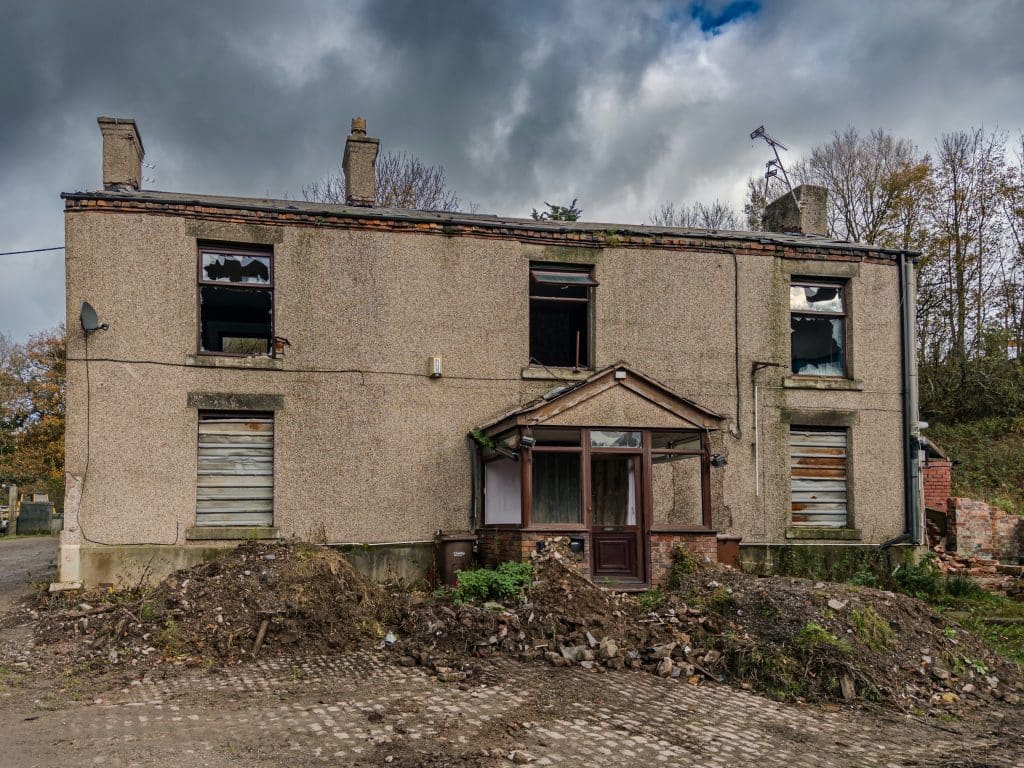
What’s the story on the house photo? Should have been auctioned a long time ago. Now it’s a tear-down.
LEL. No kidding! Looks like what AI thinks a foreclosed house looks like! And what’s with the metal shutters? Looks like the local Drug Dealer’s house in the worst part of the city. I guess if it’s being foreclosed that means the drug business is going down, which is a good thing.