 Weekly Real Estate News
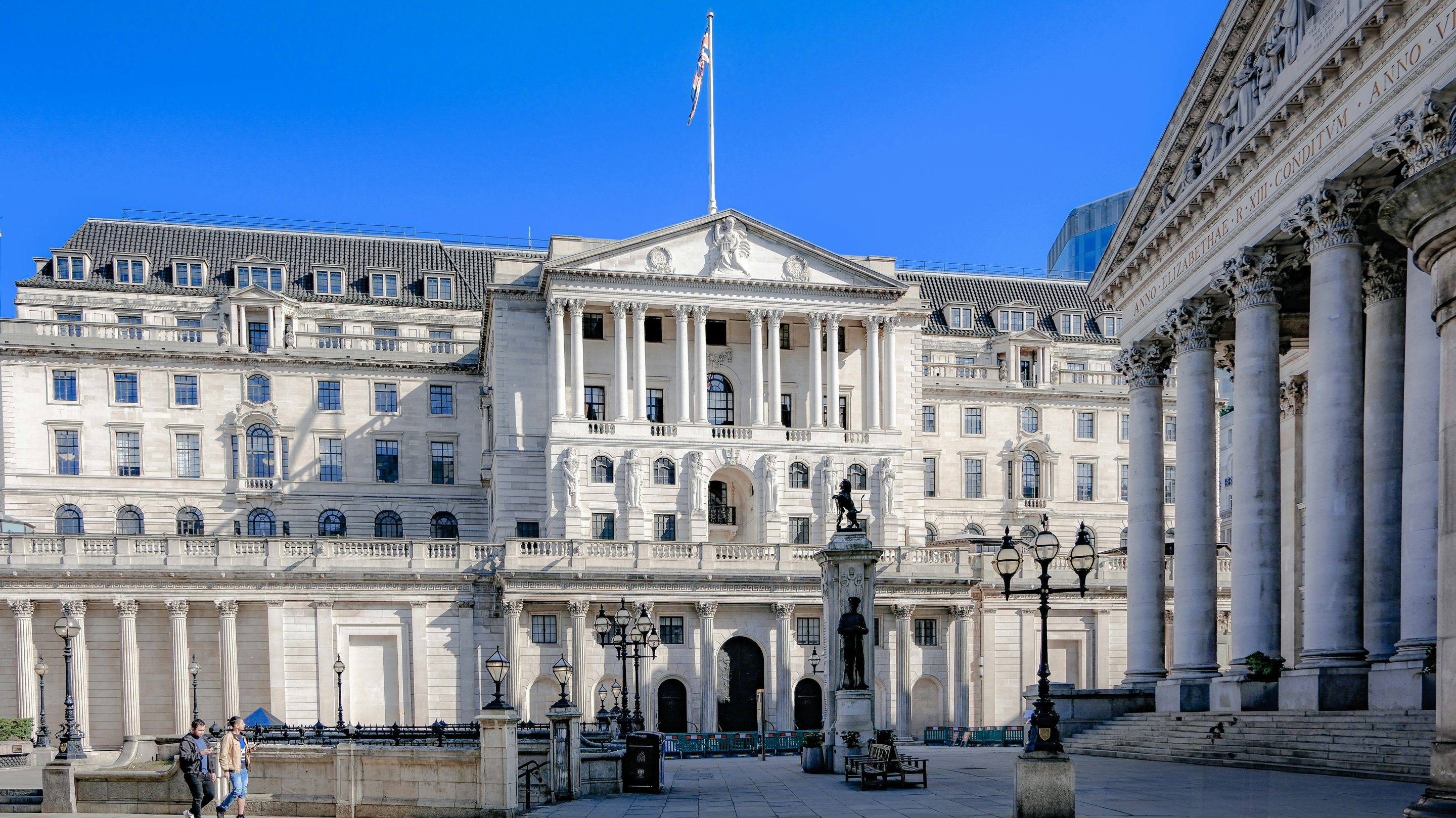

The Bank of England raised its benchmark interest rate by a quarter percentage point to 4% on November 5, a move that adds pressure to an already strained British housing market as policymakers confront renewed inflation risks.
The Monetary Policy Committee’s published decision and minutes show an 8–1 vote for a 25-basis-point increase. The dissenting member, Catherine L. Mann, wanted a larger, 50-basis-point increase to 4.25%. The meeting ended November 4; the decision was announced November 5.
Inflation pressures outweigh housing weakness
The central bank said consumer-price inflation reached 3.5% in September and is projected to approach 5% by mid-2027. Policymakers cited sustained energy costs and the risk that higher prices could influence wages and other domestic costs. They also acknowledged that the economy had been more resilient than anticipated.
For housing, the decision matters because higher policy rates can increase variable-rate mortgage costs and influence the pricing of new fixed-rate loans. The relationship is not mechanical: fixed-rate mortgages also reflect expectations for future rates, funding costs and competition among lenders. The Bank’s minutes said benchmark two-year mortgage rates had already risen by nearly 50 basis points since the beginning of September.



Mortgage approvals under pressure
The committee observed that new mortgage approvals had been falling even as business lending remained comparatively strong. That distinction matters for estate agents, builders and lenders: a higher benchmark rate can further weaken buyer purchasing power, but the impact depends on borrowers’ mortgage terms and when existing fixed deals expire.
The November decision should not be described as the start of a predetermined series of increases. The Bank expressly said monetary policy is not on a preset path. Its next scheduled decision is December 17.
What comes next
Housing-market participants will be watching mortgage repricing, approvals, agreed sales and household inflation expectations. If energy-driven inflation proves persistent, the bank could maintain tighter conditions longer; if demand weakens sharply, the balance of risks could change. Neither outcome is guaranteed.
The November 5 decision is a confirmed policy action, not a forecast or a proposed measure. Its immediate significance is that UK borrowers and lenders now face a 4% Bank Rate while housing demand is already showing signs of strain.
Simple Content Summary
The Bank of England increased Bank Rate to 4% on November 5 by an 8–1 vote, citing rising inflation risks. Its minutes also noted falling mortgage approvals and higher benchmark mortgage pricing. Future rate decisions remain conditional on economic data.