Weekly Real Estate News

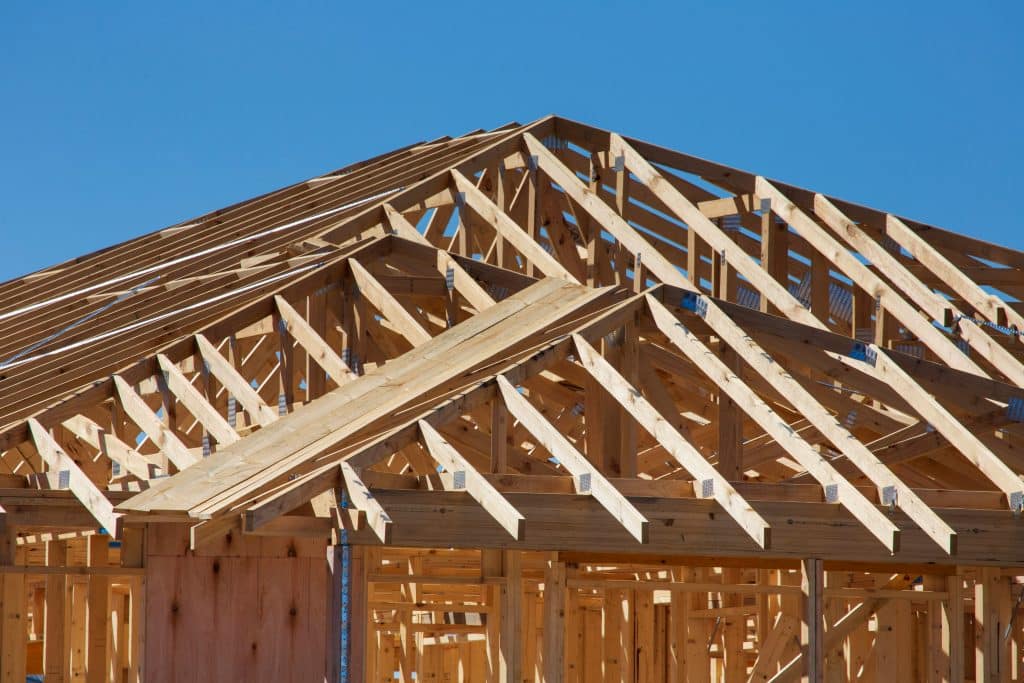

U.S. homebuilder confidence fell to its lowest level in more than 14 years in October, as rising mortgage rates, expensive construction inputs and dwindling buyer traffic forced more builders to discount newly built homes.
The National Association of Home Builders/Wells Fargo Housing Market Index declined three points to 29, its weakest reading since June 2012. The report was released Monday, October 19. A reading below 50 indicates that more surveyed builders view conditions as poor than good.
Perhaps the clearest sign of the pressure: 43% of builders reported cutting home prices in October, the largest share during the 2020–2026 period. The average reduction remained 6% for the seventh consecutive month. Another 65% reported using sales incentives, including financing concessions, marking the 19th straight month in which at least 60% offered incentives.
Buyer traffic hits a 14-year low
Every major component of the confidence index weakened. The gauge of current single-family sales conditions fell two points to 33. Expectations for sales over the next six months dropped five points to 32. Prospective buyer traffic also declined five points, to just 18.






NAHB chief economist Robert Dietz said buyer traffic had fallen to its lowest level since April 2012, excluding the sharp disruption at the beginning of the COVID-19 pandemic in April 2020. He attributed the slowdown to higher mortgage rates, elevated construction costs and weaker consumer confidence.
Mortgage borrowing costs have moved above 7% in recent weeks, raising monthly payments for potential buyers and making it harder for builders to convert interest into signed contracts. Reuters reported that the average 30-year fixed mortgage rate reached 7.40% last week, according to Freddie Mac. That rate is a national survey average, not a quote available to every borrower.
Builders face pressure on both sides
Demand is weakening just as builders contend with higher costs for construction financing, materials, energy and labor. NAHB chairman Bill Owens said more than one-third of builders reported immigration-enforcement activity in their markets during the past month, which they said caused delays and discouraged some legally authorized workers from reporting to jobsites.
Builders are therefore absorbing pressure from both sides: buyers are increasingly sensitive to monthly payments, while contractors have less room to reduce costs. Price cuts and mortgage-rate buydowns can help move existing inventory, but they also put pressure on profit margins.
The regional picture was uniformly weak. On a three-month moving-average basis, the Northeast index fell one point to 38, the Midwest declined three points to 40, the South slipped one point to 30 and the West dropped two points to 26. All four readings were below the neutral threshold of 50.
What the numbers mean for mortgage lenders and buyers
For mortgage lenders and brokers, a larger share of builders offering incentives could create opportunities to structure purchases with temporary or permanent rate buydowns, closing-cost assistance or other concessions. Those offers should be evaluated against the total price of the home and the borrower’s long-term payment obligations.
For prospective buyers, the report suggests more negotiating leverage in the new-home market, but not necessarily greater affordability. Lower advertised prices can be offset by higher financing costs. The survey measures builder sentiment and incentive use; it does not establish that national completed-sale prices fell by 6%.
The October results extend the weakness reported in WRE News’ September builder-confidence coverage, when the index stood at 32 and 38% of builders reported price reductions. The latest survey indicates that the slowdown has intensified.
Source: NAHB, “Builder Sentiment Falls on Rising Rates,” October 19, 2026. The HMI is a survey of builders’ assessments, not a direct count of home sales.