 Weekly Real Estate News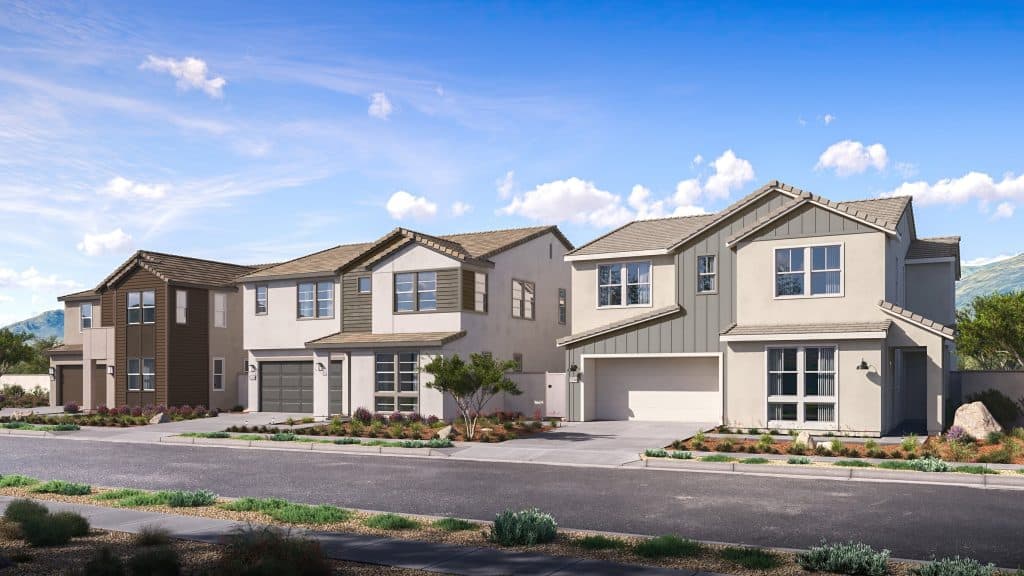
California has enacted a housing package that creates a streamlined path for qualifying townhome developments and changes state treatment of factory-built housing, adding two potentially consequential supply-side reforms beyond the high-profile redevelopment measures signed in the same package.
Gov. Gavin Newsom announced the signed package Sept. 29. WRE has already reported the separate Midway Rising legislation; the townhome and factory-built provisions address different statewide housing-production barriers.
A streamlined route for townhome ownership
AB 1751 establishes a streamlined approval pathway for qualifying townhome developments. The policy is aimed at expanding so-called missing-middle ownership housing: attached homes that can provide more density than detached subdivisions without requiring large apartment buildings.
The administration argues that creating a more predictable approval process can reduce time and uncertainty for projects intended for individual ownership. Whether it produces significant new supply will depend on land economics, local demand, financing and how jurisdictions implement the new requirements.






Factory-built housing gets statewide changes
AB 1815 addresses factory-built housing by seeking more consistent statewide building-code treatment, expanding inspection options and limiting duplicative local inspections and excessive fees. The package also directs state affordable-housing programs to better account for factory production costs that occur earlier than costs in conventional site-built construction.
Those financing mechanics matter because modular and factory-built developers often must pay for substantial portions of a home before it arrives on the final site. Traditional construction draws and affordable-housing financing structures do not always align neatly with that schedule.
California’s package does not guarantee that factory construction will be cheaper in every market. Transportation, factory capacity, site work, financing and local development costs still affect project economics. But standardizing approvals and financing treatment can remove frictions that have limited adoption.
Taken together, the townhome and factory-built measures show California shifting some of its housing agenda from zoning capacity toward the mechanics of actually producing homes: approvals, inspections, construction methods and capital timing. The test now is implementation—and whether developers can turn those statutory changes into completed housing.