 Weekly Real Estate News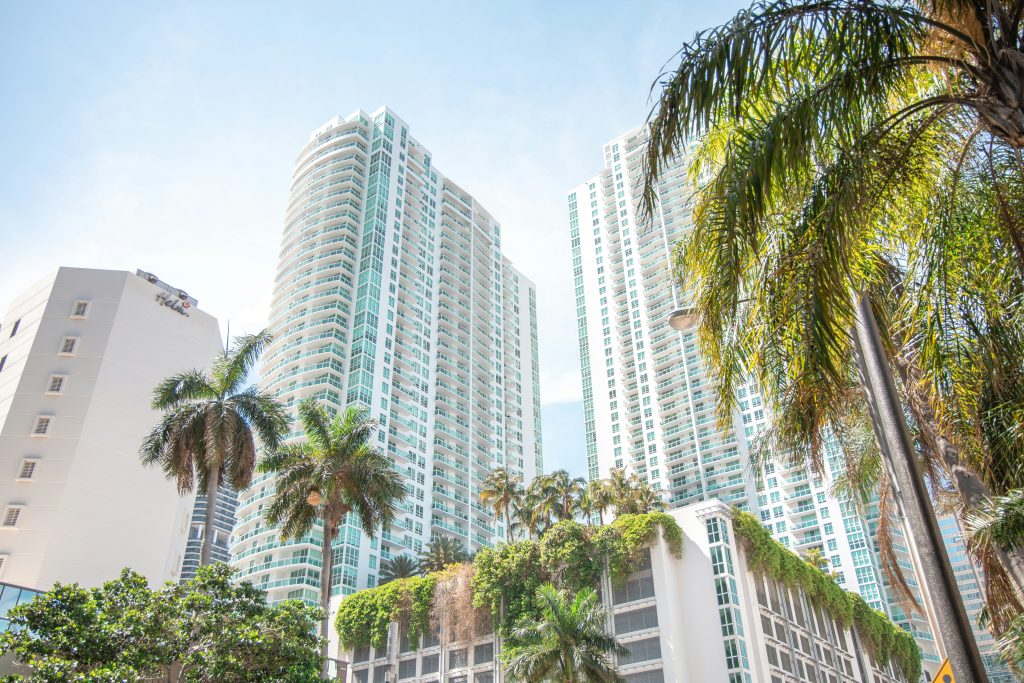

Summary
Greystone assembled $167 million in construction financing, LIHTC equity and a Freddie Mac permanent financing commitment for the 257-unit first phase of Gallery at Lummus Parc in Miami. About 83% of the apartments will be affordable.
Greystone has assembled a $167 million financing package for the first phase of Gallery at Lummus Parc, a 257-unit mixed-income apartment development along the Miami River that will replace and expand public housing as part of Miami-Dade County’s broader redevelopment program.
Greystone announced the financing Tuesday for the project sponsored by Related Urban Development Group, part of The Related Group. The package combines construction financing, Low-Income Housing Tax Credit equity and a Freddie Mac permanent financing commitment.
The development is significant not only for its size but for its affordability mix. Of the 257 apartments in the first phase, 213 — roughly 83% — are designated affordable, according to Greystone. The remaining units will be market rate.






A layered capital stack for mixed-income housing
The transaction illustrates the financing complexity behind large affordable-housing developments. Greystone’s affordable housing platform coordinated the construction loan, LIHTC equity and permanent financing rather than relying on a single source of capital.
Gallery at Lummus Parc is being developed on county-owned land near downtown Miami. Miami-Dade County records describe a two-phase redevelopment totaling 439 affordable, workforce and market-rate apartments in two towers. The county is using HUD’s Rental Assistance Demonstration program as part of the redevelopment of its public-housing portfolio.
The first phase will contain 257 units. Florida’s housing data clearinghouse identifies the project as receiving 4% housing credits, State Apartment Incentive Loan funding and state bonds, with occupancy targeted for 2027.
Miami’s affordability problem raises the stakes
New affordable supply carries particular weight in Miami, where housing costs have risen sharply and development economics remain challenging. Mixed-income projects such as Gallery at Lummus Parc depend on multiple public and private financing sources to make below-market rents feasible while supporting construction at urban land and labor costs.
The development plan also calls for neighborhood retail and community amenities. Related Group describes the broader project as more than 400 mixed-income units across two high-rise towers along the Miami River.
Greystone’s package demonstrates how LIHTC equity, construction debt, federal housing programs and agency permanent financing can be combined to move a large redevelopment from planning into construction.
For lenders and multifamily investors, the transaction is also another example of agency capital remaining central to affordable housing even as conventional commercial real estate financing has faced higher rates and tighter underwriting.