 Weekly Real Estate News
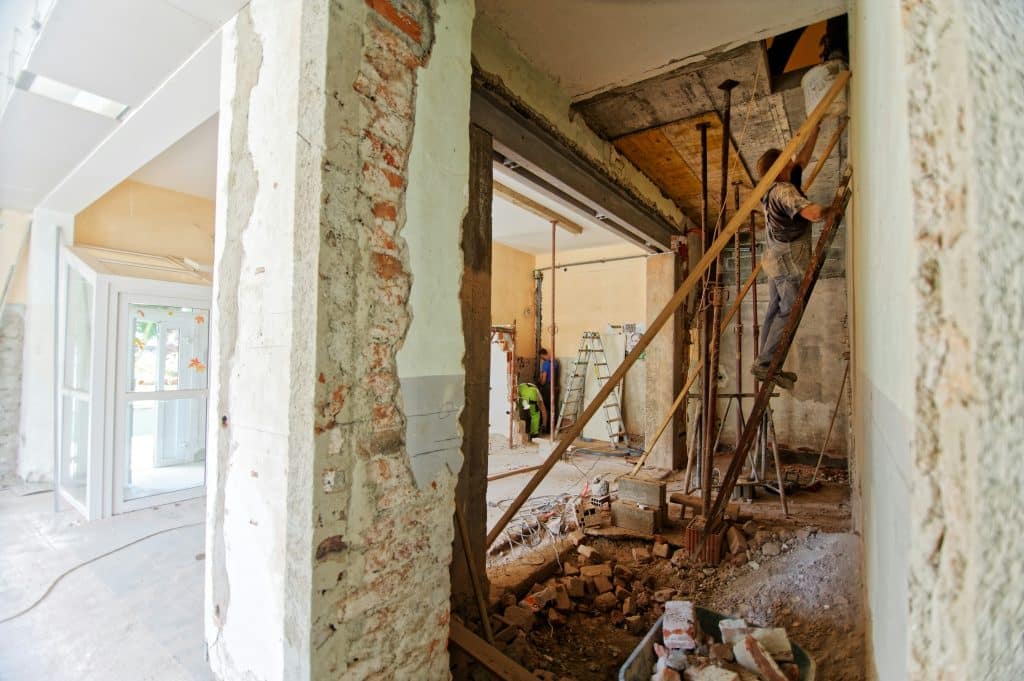

Home flippers are still making money in most U.S. markets, but the margin for error continues to narrow.
ATTOM’s second-quarter 2026 U.S. Home Flipping Report found 77,991 single-family homes and condominiums were flipped during the quarter, representing 6.2% of all home sales. The share fell from 8% in the first quarter and 7.3% a year earlier.
The more consequential shift is profitability. The typical gross return fell to 21.5%, down from 25.7% in the first quarter and 27.6% in the second quarter of 2025. Typical gross profit dropped to $60,526 from $66,932 in the prior quarter and $71,000 a year earlier.
That extends a roughly two-year erosion in flipping returns as acquisition prices, renovation costs and resale conditions compress investor spreads.






Most major markets saw margins deteriorate
Profit margins declined quarter over quarter in 126 of the 186 metropolitan areas ATTOM analyzed, or 67.7%. Pittsburgh posted the largest typical return among metros with populations above 1 million at 81.5%, followed by Buffalo at 76.6% and New Orleans at 75%.
At the other end, a typical San Antonio flip produced a 0.3% loss before rehabilitation and other expenses. Dallas generated a 1.8% gross return, Austin 2.8%, Houston 3.7% and Salt Lake City 4.7%.
Those figures are gross returns, not net profits. ATTOM calculates gross flipping profit as the difference between acquisition and resale prices and does not subtract rehabilitation, financing, property taxes, insurance, transaction costs or other carrying expenses. ATTOM notes experienced flippers estimate those costs often equal 20% to 33% of a property’s after-repair value.
That distinction makes the weakest-margin markets particularly important: a small positive gross return can become a loss once actual project costs are included.
Flipping volume also lost share
The number of flips rose from 64,760 in the first quarter but remained below the 80,477 recorded a year earlier. The flipping share declined quarter over quarter in 162 of 186 metros and year over year in 131.
Columbus, Georgia, had the highest overall flipping rate at 13.6% of sales. Among million-plus metros, Cleveland led at 10.4%, followed by Columbus, Ohio, and Memphis at 9.5% and Dallas at 9.4%.
The strongest national returns remained concentrated in homes acquired between $100,000 and $400,000. Properties bought for $100,000 to $200,000 generated a typical 28% gross return; the $200,000-to-$300,000 band returned 26%.
The typical flip took 161 days from purchase to resale, down from 165 days in the first quarter and 166 days a year earlier.
ATTOM also cautioned that it expanded its property-record coverage in 2026, meaning transaction-count comparisons can reflect both actual market activity and broader data coverage. The profitability trend, however, remains clear: investors are operating with substantially thinner gross cushions than they had a year ago.