 Weekly Real Estate News
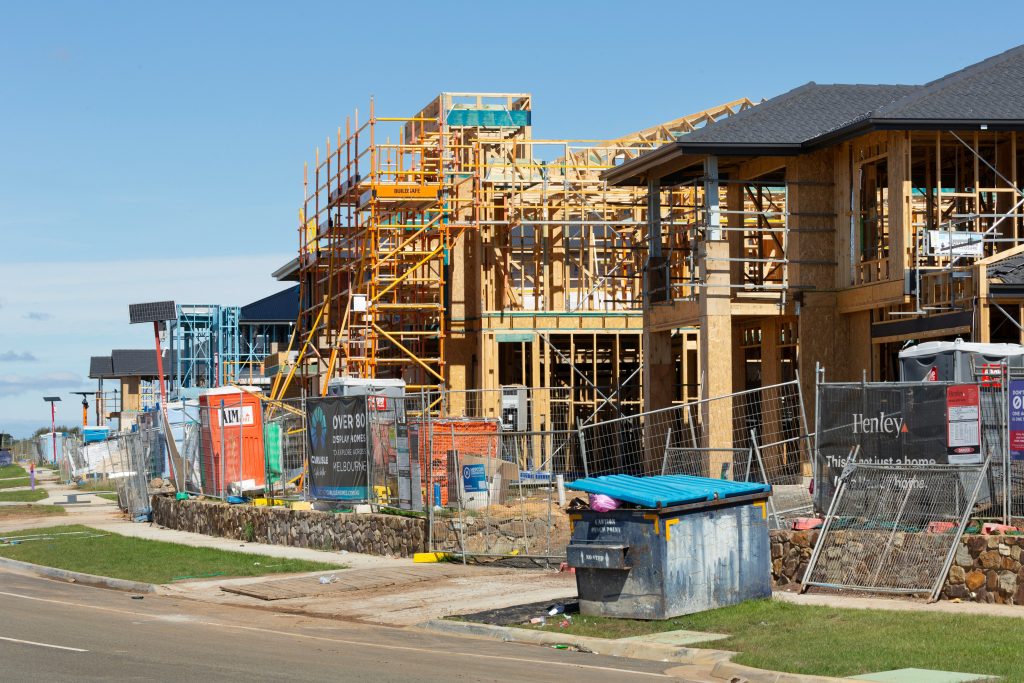

Residential construction spending turned higher in August after a weak second quarter, but the rebound did little to erase the year-over-year contraction in single-family building.
New U.S. Census Bureau construction-spending data show total construction outlays rose 0.9% in August to a seasonally adjusted annual rate of roughly $2.203 trillion. Private construction increased 1.1%, with residential and nonresidential spending both contributing to the monthly gain.
Private residential construction reached an annualized $882.3 billion, up 1.1% from July but still 4.8% below a year earlier, according to an NAHB analysis of the Census data.
Single-family building remains the weak link
Single-family construction spending increased just 0.2% in August and remained 3.5% below its year-earlier level. Multifamily spending rose 0.2% for the month.
The contrast matters because the headline construction number was considerably stronger than the housing component. Private nonresidential construction rose 1.0%, including a 4.6% increase in office spending and continued growth in power-related construction.
Total construction spending nevertheless remained 1.7% below August 2025, underscoring the difference between a strong monthly print and the broader trend.
For housing, August’s residential gain may also reflect remodeling and improvement spending rather than a decisive turn in new-home construction.
Higher rates complicate the builder outlook
The construction report arrives as mortgage costs have moved sharply higher again. Freddie Mac’s weekly 30-year fixed rate reached 7.28% on Oct. 1, up from 7.03% the prior week. WRE News reported the rate jump earlier Thursday.
Higher financing costs affect builders from both sides: they reduce purchasing power for would-be buyers and raise financing costs for development. Builders can use incentives and mortgage-rate buydowns to offset some of that pressure, but doing so can squeeze margins.
Public construction spending rose 0.2% in August. State and local outlays increased 0.3%, while federal construction spending fell 0.7%.
The August rebound therefore provides evidence that construction activity was stronger than economists expected, but the residential details are more restrained. Single-family spending is no longer falling rapidly month to month, yet it remains below last year and faces a renewed mortgage-rate headwind entering the fourth quarter.