 Weekly Real Estate News
Summary
September CPI rose 3.7% from a year earlier and 0.6% for the month as gasoline surged; shelter rose 0.4%, adding to mortgage-rate and affordability pressure.
U.S. inflation accelerated in September, delivering another blow to prospective homebuyers already facing mortgage rates above 7% and raising the stakes for lenders, builders and the Federal Reserve.
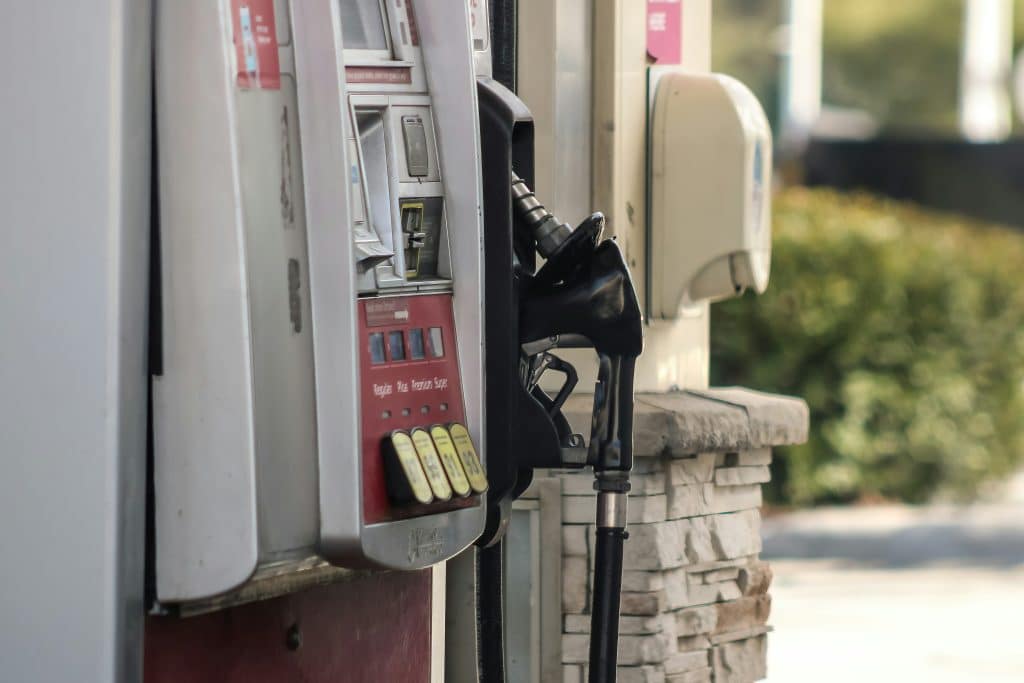
The consumer price index rose 0.6% from August and 3.7% from a year earlier, the Bureau of Labor Statistics reported Wednesday, October 14. The annual increase was up from 3.4% in August. Gasoline prices jumped 9.1% for the month, accounting for more than half of the overall monthly rise. Energy prices increased 5.2%.
Housing costs continued to climb, though at a slower annual rate than overall inflation. The shelter index rose 0.4% in September after a 0.3% gain in August and was 3.2% higher than a year earlier. Owners’ equivalent rent increased 0.3% for the month, while rent of primary residence rose 0.2%. Those are measures of consumer housing-service costs, not changes in home-sale prices or advertised rents on newly listed apartments.



Excluding food and energy, the CPI increased 0.3% for the month and 2.6% over 12 months, compared with 2.4% in August. That distinction is important: the September acceleration was heavily driven by energy, but underlying price pressures did not disappear. A single monthly reading does not establish the future path of inflation.
Why the inflation report matters to mortgages
Mortgage rates are influenced by Treasury yields, expectations for inflation, the outlook for short-term interest rates and the spread investors demand to hold mortgage-backed securities. The Federal Reserve does not directly set the 30-year fixed mortgage rate. Even so, a report suggesting inflation is proving difficult to contain can push bond investors to demand higher yields and make financing more expensive for borrowers.
That is particularly damaging in a market where higher rates have already cut refinancing incentives and constrained purchasing power. The Mortgage Bankers Association’s latest forecast projects total single-family mortgage originations falling 5% in 2027, with refinancing down 17%. The forecast was issued before Wednesday’s CPI release and should not be treated as a reaction to the new figures.
For a household shopping for a home, even a modest change in mortgage pricing can alter the monthly payment and the maximum loan for which the buyer qualifies. That pressure can ripple through real estate transactions: buyers delay purchases, sellers consider concessions, and builders weigh rate buydowns against outright price reductions.
The report also complicates affordability in ways that extend beyond mortgage rates. Gasoline, utilities, food, insurance and other household expenses affect how much income borrowers have available for housing payments. Although grocery prices were flat overall in September, food purchased away from home rose 0.2%. Electricity prices rose 0.2%, and piped natural-gas service prices declined 0.3%.
Inflation and the Fed
Investors will assess the report alongside employment, wage growth and broader financial conditions ahead of the Fed’s next policy decision. The central bank’s inflation objective is 2% over time as measured by the personal consumption expenditures price index, which is not the same as CPI. Wednesday’s 3.7% CPI reading therefore should not be described as the Fed’s preferred inflation measure.
The September data do not dictate an interest-rate increase on their own. Policymakers must distinguish temporary energy shocks from persistent inflation and weigh the risk of tighter credit against the risk of price pressures becoming entrenched. Bond-market reactions can change throughout the trading day and should not be assumed from the release alone.
The energy component deserves particular attention. Gasoline prices were 34.2% higher than a year earlier, and the broader energy index was up 20.4%. By comparison, food prices rose 2.5% annually. These figures describe the composition of inflation, not the share of household budgets spent on each item.
For lenders and real estate professionals, the practical takeaway is to reassess rate-sensitive assumptions rather than extrapolate one CPI print into a guaranteed mortgage-rate path. Borrowers need current lender-specific quotes, and builders and originators need contingency plans for weaker demand if financing costs remain elevated.
The next scheduled CPI report, covering October, is due November 10. Until then, Treasury markets, additional economic data and Federal Reserve communications will shape the immediate mortgage-rate outlook.




In looking at who founded WRE, it appears that WRE is founded by staunch republicans.
These articles talk about inflation, as if the Republicans were innocent of why inflation is rising, again, after Biden had done the best job of any of the developed nations in getting inflation down after the Covid global pandemic inflation spike.
Comments seem to have dried up on WRE. It does not seem plausible that the Ukraine strikes on Russian bot centers would be the cause of the decline (reported by many around the world) because bots move to other locations. Is the drop in right wing comments due to MAGA’s failures?
CPI at 3.7% does not reveal the inflation that is in the Pipeline (the PPI). Watch Max on UNFTR (YouTube) for a breakdown of what is headed our way in terms of an annualized 15% inflation rate coming soon, the higher costs that are pushing thru the pipeline now. It is ironic that the only pipeline that seems to be pumping out more is the inflation pipeline, while the oil global pipelines suffer more war hits. For anyone wondering WHY conservatives are pretending that the MAGA party is NOT responsible for global inflation, then remember that the well off and super rich are doing really great with inflation because they got nearly all the tax cuts and subsidies and legalized methods to avoid taxes in the Billions, so they are pumping money into investments that are now giving HUGE returns. If you own stock in a company that owns VLCC (Very Large Crude Carriers), the shipping costs used to $30,000 to $50,000, and now those costs are $1.5 million to $2 million, so, yeah, WOW, nice hefty profit if conservatives can keep the wars going, oil supplies short, refineries damaged, and shortages the norm and shipping routes blocked, so all this engineered chaos serves the investor classes very well. Republicans claim to be conservative, and there are several Democratic conservatives too, but WHAT are these people conserving? The answer is obvious. Follow the money and see who gets richer with every crisis event.