Weekly Real Estate News
Summary
STAG Industrial reported 23.8% cash rent growth on commenced operating-portfolio leases and 95.9% total occupancy in Q3 2026. Same-store cash NOI grew 3.5%; two acquisitions totaled $107.9 million. Results are company-reported, with non-GAAP metrics distinguished from net income.
Industrial landlord STAG Industrial recorded a 23.8% increase in cash rents on leases that commenced during the third quarter, even as its overall portfolio occupancy remained just below 96%. The Boston-based real estate investment trust reported the figures Tuesday, October 27, alongside higher earnings and a modest rise in comparable-property operating income.
The rent figure covers 3.6 million square feet of operating-portfolio leases that began during the quarter. It measures the change between the cash rent on a new lease and the cash rent on the previous lease for the same space. It should not be confused with the growth rate for all rents collected across STAG’s holdings.
STAG reported a 35.7% increase on a straight-line basis for the same commenced leases. Straight-line rent accounts for scheduled increases over the term of a lease, making it a different measure from the cash change that affects near-term property income.






| Third-quarter measure | STAG reported |
|---|---|
| Portfolio occupancy, Sept. 30 | 95.9% |
| Operating-portfolio occupancy | 96.2% |
| Cash rent change on commenced leases | +23.8% |
| Same-store cash net operating income | $159.9 million, +3.5% |
| Core funds from operations per diluted share | $0.66, up from $0.65 |
| Buildings acquired | Two, for $107.9 million |
Source: STAG Industrial’s October 27 earnings release. Cash NOI and core FFO are company-defined non-GAAP measures.
Same-store cash net operating income increased from $154.5 million a year earlier to $159.9 million. That 3.5% gain is substantially smaller than the increase recorded on leases commencing in the quarter because the comparable-property measure captures the existing rent roll, operating costs and other property-level effects. STAG said the same-store group represented 89.8% of its total portfolio square footage at quarter-end.
The company earned $70.7 million attributable to common shareholders, compared with $48.6 million a year earlier. Diluted earnings per share increased to 37 cents from 26 cents. Core funds from operations, a measure widely followed for property companies but calculated differently from GAAP earnings, edged up to 66 cents per diluted share from 65 cents.
Two September 24 acquisitions accounted for the quarter’s $107.9 million in purchases: a 442,987-square-foot building in the Chicago market acquired for about $44.5 million and a 652,090-square-foot building in El Paso, Texas, acquired for about $63.4 million. The properties carried a combined weighted-average remaining lease term of 4.8 years and a company-reported initial cash capitalization rate of 6.9%.
STAG also sold four buildings totaling approximately 1.1 million square feet for $67.9 million during the quarter. Those sales and purchases mean the headline acquisition figure alone does not describe the change in the portfolio’s overall size or cash-generating capacity.
Retention reached 90.3% across 2.9 million square feet of leases expiring during the quarter. The high retention rate is significant for an industrial owner because re-leasing large warehouse buildings can entail downtime and tenant-improvement expense. The release did not establish that every market in STAG’s national portfolio is experiencing the same rent increases.
Management also listed a potential acquisition pipeline of 138 buildings totaling 34.7 million square feet and an estimated $4 billion. That is an identified opportunity set, not a commitment to acquire those properties. The company’s reported post-quarter acquisition of one additional building for $55 million is separate from the two deals included in third-quarter results.
The figures add another piece to a mixed industrial-property picture. In earlier reporting, WRE News examined stronger leasing activity and the role of data-center suppliers in warehouse demand. STAG’s release points to rent growth on its own newly commenced leases; it cannot establish a national market-wide rent trend by itself.
Industrial investors will be watching whether renewal spreads translate into sustained property-income growth while acquisition yields and borrowing costs remain aligned. STAG’s quarter provides evidence of strong re-leasing economics in its portfolio, alongside a more measured increase in income from properties held in both comparison periods.
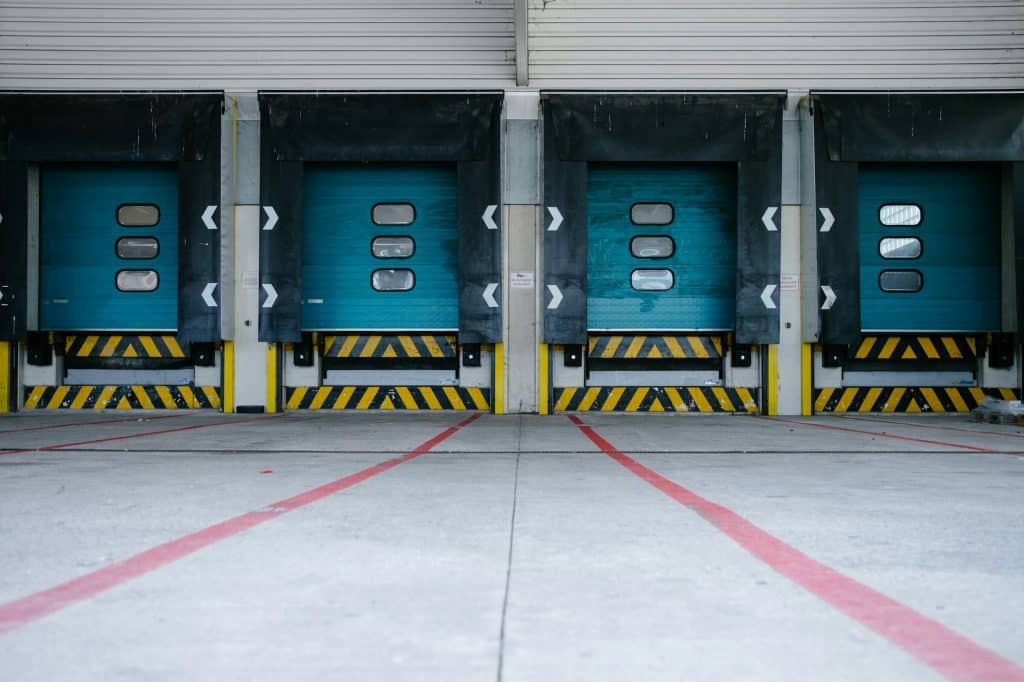
Featured photograph: Hannes Egler/Unsplash; illustrative industrial property, not a STAG-owned building.