Weekly Real Estate News


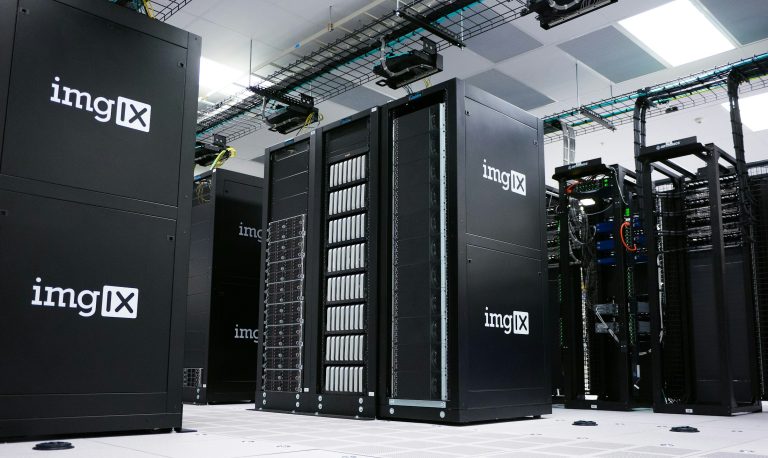
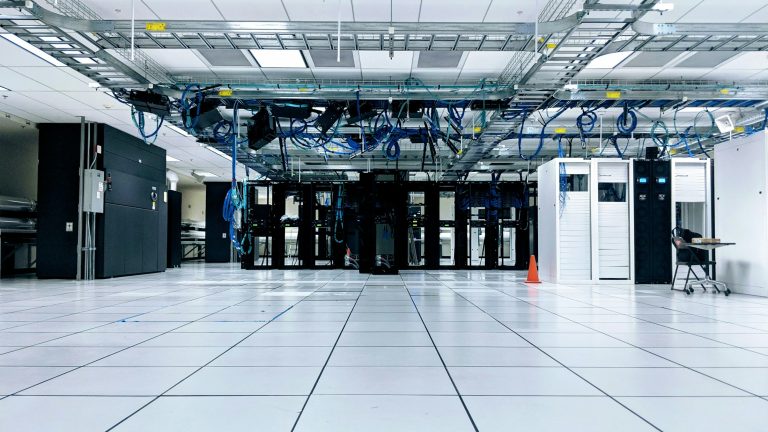
Oct. 28, 2026 — Investors are demanding wider credit spreads on commercial mortgage-backed securities tied to data centers, a sign that anxiety over artificial intelligence infrastructure financing is beginning to affect property-backed debt even when the underlying loans remain current.
According to research released October 27 by Trepp, senior AAA bonds in fixed-rate data-center single-asset, single-borrower CMBS widened 21 basis points during the week ending October 23, to a spread of 182 basis points over Treasuries. Comparable floating-rate bonds widened 24 basis points to 199 over the Secured Overnight Financing Rate, or SOFR.
Over the same week, median senior-bond spreads for other single-asset CMBS and conduit deals were essentially unchanged. The divergence suggests investors are increasingly distinguishing data-center exposure from other commercial property collateral.
Widening reaches the safest-rated bonds
Trepp reviewed 19 data-center single-asset CMBS transactions. Its analysis of senior securities outstanding at year-end showed fixed-rate AAA spreads 60 basis points wider since December and floating-rate AAA spreads 32 basis points wider. By comparison, senior bonds in other single-asset transactions had moved only modestly, while conduit spreads were flat over the same period.






The shift is particularly notable because it is occurring at the top of the capital structure. Lower-rated CMBS tranches across property types have also widened, but Trepp found the repricing in data centers extended to investment-grade bonds that would typically be expected to withstand greater credit stress.
Fixed-rate data-center AA spreads widened 76 basis points year to date, and single-A spreads widened 105 basis points, while comparable ratings in other single-asset CMBS were within three basis points of their year-end levels, according to the analysis.
AI spending concerns spill into real estate finance
The most abrupt move followed a sharp selloff in semiconductor shares on October 22 amid concerns about the pace and financing of AI-related capital expenditures. Trepp said the PHLX Semiconductor Index fell 6.7% that day, while the 10-year Treasury yield dropped 17 basis points to 4.96% as investors sought safety.
Market concerns about technology companies’ ability to finance new computing capacity have begun to influence how investors value the real estate debt supporting that infrastructure. A wider spread generally means a bond trades at a lower price relative to its benchmark and that investors demand more compensation for perceived risk. It does not necessarily mean the underlying property has lost tenants or missed payments.
Trepp cited SWCH 2025-DATA, whose $1.16 billion class A tranche widened 71 basis points in one week to 243, as an example of the abrupt move. The firm also pointed to wider pricing on some recently issued transactions, indicating the repricing is not confined to older bonds.
No reported defaults in the analyzed pool
There is an important limitation to the market signal. Trepp said every loan underlying the data-center CMBS deals it examined was current, and none was assigned to a special servicer. Its findings therefore describe secondary-market bond valuations and investor risk appetite, not a wave of reported property defaults.
The analysis also uses different reference benchmarks for fixed-rate and floating-rate bonds. Fixed-rate spreads are measured over Treasuries; floating-rate spreads are measured over SOFR. Those figures should not be treated as directly interchangeable.
Trepp’s data are evaluated bond prices through October 23, measured weekly. The October 27 publication date is the research-release date, not the date of every market move cited in the article.
Why commercial lenders should care
Data centers have become a major focus for commercial real estate capital because of demand for computing power, but the financing structures are complex and often depend on assumptions about long-term tenants, power availability and technology investment. A sustained widening of senior CMBS spreads could raise future financing costs or alter the economics of securitizing stabilized properties.
For now, the evidence supports a narrower conclusion: bond investors have repriced data-center exposure more sharply than comparable commercial property debt. Whether the move persists — or reverses as equity and credit markets stabilize — will be an important indicator for lenders and developers considering the next generation of data-center projects.
Source: Trepp, ‘Data Center CMBS Spreads Widen as the Rest of the Market Holds Steady,’ published Oct. 27, 2026. Underlying evaluated pricing data run through Oct. 23. All spread figures are attributed to Trepp.