Weekly Real Estate News

Summary
Fed Chair Kevin Warsh declined to signal an October interest rate decision as consumer, producer and import inflation data raised uncertainty for mortgage markets.
Federal Reserve Chair Kevin Warsh offered no guidance on whether policymakers will raise interest rates again this month, despite a fresh series of inflation reports that have complicated the outlook for mortgage costs.
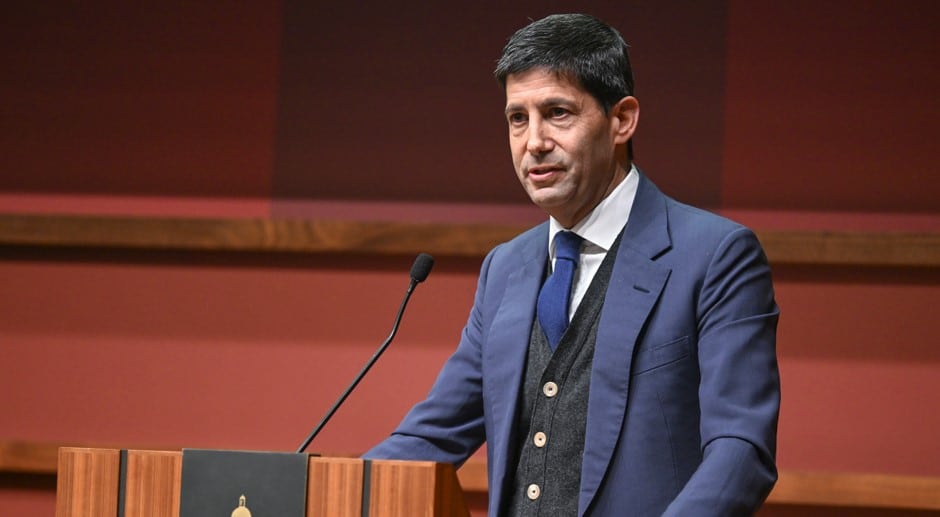
At an IMF discussion in Bangkok on October 16, Warsh described the U.S. economy as resilient but said he would not prejudge future policy decisions, Reuters reported. The Federal Reserve’s calendar confirms his appearance with IMF Managing Director Kristalina Georgieva. His comments were not a promise to hold rates steady or an announcement of an increase.
Inflation complicates the decision
Consumer prices rose 3.7% annually in September, the Bureau of Labor Statistics reported Wednesday. Producer prices increased 1.3% in September and 6.3% annually, according to Thursday’s report. Friday’s import-price figures showed an 8.1% annual increase. The indexes measure different parts of the economy and should not be added together, but all indicate continued price pressure.






The Federal Reserve’s 2% inflation target is based on the personal consumption expenditures price index, not CPI, PPI or import prices. Policymakers also assess employment, economic growth and financial conditions before making decisions.
Warsh discussed artificial-intelligence investment as a contributor to near-term economic demand and inflation pressures, while acknowledging the technology’s potential longer-term productivity benefits. Those benefits remain uncertain and do not automatically translate into lower mortgage rates.
What housing professionals should watch
Long-term mortgage rates do not move one-for-one with the Fed’s short-term policy rate. Treasury yields, inflation expectations and mortgage-backed securities pricing all influence borrowers’ costs. WRE News reported Freddie Mac’s October 15 weekly survey average of 7.40% for 30-year fixed mortgages.
Higher rates constrain purchase affordability, reduce refinancing incentives and complicate construction finance. Fannie Mae’s October forecast anticipates elevated mortgage rates through 2027, although forecasts are not guarantees.
The Federal Open Market Committee meets October 27–28. Until the actual decision, lender and borrower planning should distinguish market expectations from policy commitments. Warsh’s Friday remarks underscored uncertainty rather than resolving it.