Weekly Real Estate News


Summary
Yardi Matrix says advertised U.S. self-storage rents fell 1.8% annually in September 2026, with month-to-month declines across all 30 major markets it tracks. A slowing development pipeline has yet to translate into a nationwide pricing recovery.
Self-storage operators entered the fall leasing season with rents still slipping across major U.S. markets, despite a slowdown in new construction that should eventually ease competition.
National advertised storage rates declined 1.8% from a year earlier in September, according to the October 2026 Yardi Matrix national self-storage report. The firm said all 30 of the large metropolitan markets it tracks recorded monthly declines in advertised rates, a sign that slower development has yet to produce a broad pricing recovery.
Advertised rents measure the prices operators offer prospective customers. They are not the same as revenue per occupied unit or the effective rents paid by existing tenants, who may have different contracts, increases or promotional discounts. That distinction matters when comparing the new report with earnings from publicly traded storage operators.






The latest figures follow a 1.9% annual decline in August reported in Yardi’s September market review. The difference between the two readings is small and does not establish a sustained improvement in pricing. The October report’s widespread monthly declines suggest the seasonal slowdown remains a factor.
Construction is slowing, but the inventory remains
Storage development has been retreating from its earlier pace. Yardi’s third-quarter supply forecast expects fewer new facilities to enter the pipeline as developers contend with financing costs and weaker rents. Less future construction may help occupancy over time, but facilities already built continue competing for customers.
Demand is closely tied to household moves, downsizing, renovations and business storage needs. A sluggish housing market can reduce the number of households changing residences, cutting one traditional source of new storage rentals. The link is not mechanical: some owners may use storage for longer periods when a move is delayed, while others consolidate belongings to reduce expenses.
Investors should examine local delivery schedules and lease-up progress rather than apply the national rent decline to every property. A market with limited new supply may stabilize before one where several facilities opened recently. The same principle applies to lenders underwriting storage properties: advertised street rates can change more quickly than in-place cash flow.
Yardi’s latest findings point to a sector still waiting for lower construction activity to translate into firmer pricing. The next test will come in occupancy and achieved rents during the winter, when demand is often weaker.
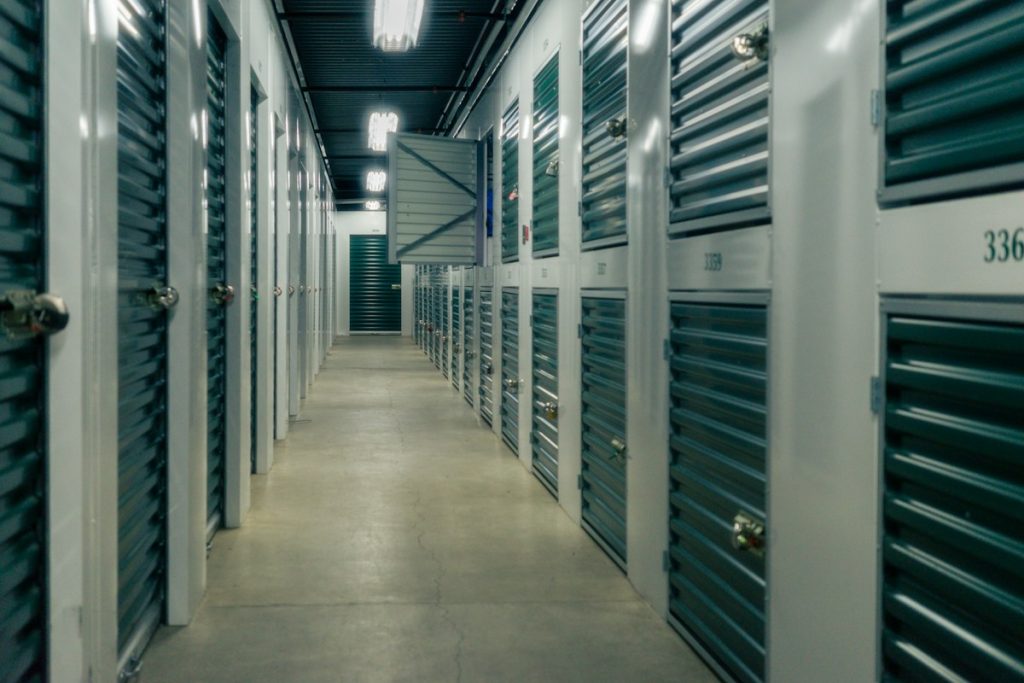
Illustrative storage facility photograph; the property shown is not part of the Yardi survey sample identified in this article.