Weekly Real Estate News


Summary
Yardi Matrix reports more than 31,000 student housing bedrooms delivered in 2026, while same-store rent growth averaged just 0.5% during the leasing season. New supply is pressuring initial occupancy in several markets, although results differ sharply by university.
New student apartments are opening faster than some college towns can fill them, putting pressure on rents after several years in which developers counted on strong enrollment and scarce off-campus housing.
More than 31,000 purpose-built student bedrooms were delivered during 2026 in markets tracked by Yardi Matrix, according to the firm’s October 15 national student housing report. Same-store rent growth averaged just 0.5% over the leasing season, while the research firm expects fall occupancy across its Yardi 200 university sample to finish below last year’s level.
The findings mark a change from the rapid rent increases that followed the pandemic. Yardi’s historical reports show that its October 2025 report placed leasing-season rent growth at 2.5%. The latest reading is much weaker, although results vary considerably from one campus to another.






New supply changes the leasing calculation
Developers frequently begin student housing projects years before the residents arrive. They rely on university enrollment forecasts, expected rents and preleasing schedules to justify construction loans and equity investment. If several projects deliver around the same campus at once, even a healthy student population may not absorb the new beds immediately.
That risk is appearing in this year’s initial lease-up figures. A Realtor.com analysis published October 20, citing Yardi data, said newly delivered student properties averaged an estimated 84.1% occupancy in September, compared with 95.3% for the previous year’s new projects at the comparable point. Those figures concern newly delivered properties, not the occupancy rate of every student apartment building nationwide.
The distinction matters for lenders. An individual development can face a difficult first year even when the surrounding university market remains relatively well occupied. Low initial occupancy can delay stabilization, reduce cash available for debt service and complicate a planned refinancing.
Yardi also points to slower enrollment growth in some markets. The firm’s September research noted weakness in international enrollment at several universities. Campus-by-campus trends are therefore as important as national bed-delivery totals. A major state university with growing enrollment and little nearby construction can produce a very different result from a market that has recently added thousands of bedrooms.
Rents are no longer rising everywhere
Student housing operators typically sign leases well before the academic year begins. Discounts offered late in the leasing season can fill empty beds, but they also reduce revenue compared with initial underwriting. Some owners may choose shorter leases or concessions rather than cut their advertised base rents, so published rent figures do not always capture the full cost of attracting a resident.
For investors, the most revealing measures will be stabilized occupancy, achieved rent per bed, renewal rates and the pipeline of projects expected to open for the 2027 academic year. A slowdown in starts could eventually reduce competition, but the apartments delivered this year will remain part of the local market.
Yardi’s October report does not describe a uniform national collapse. Smaller markets still recorded strong rent gains, while several larger university markets faced heavier construction competition. The broad warning is about underwriting assumptions: growth that seemed reliable in the recent past can weaken quickly when new supply arrives together.
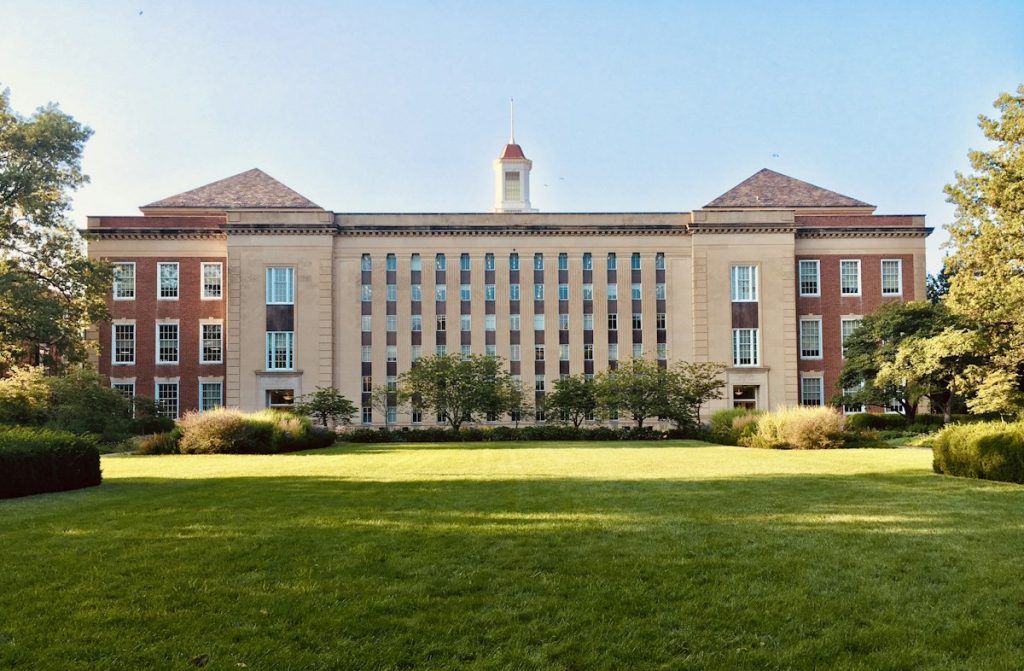
Illustrative university housing photograph; no campus or project in the photograph is identified in the Yardi report.