
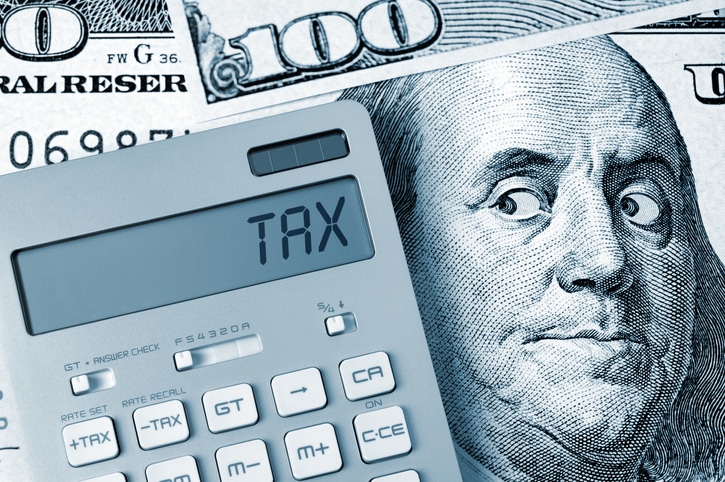
Homeowners and commercial real estate owners in Illinois’ Cook County are facing their 32nd consecutive year of property tax increases, according to a report published by Cook County Treasurer Maria Pappas.
“School districts, municipalities and other local government agencies across Cook County are asking property owners to pay $743.8 million more in taxes, for a grand total of more than $19.9 billion,” said the report. “That’s an increase of about 3.9%, well above the 3.1% rate of inflation for 2025. It marks at least the 32nd straight year government officials have asked taxpayers to pay more, taking more out of homeowner’s pockets, while pushing up the cost of apartment rents, office leases and retail prices at a time economic affordability weighs on many households.”
The Treasurer’s Office’s report analyzed the second and final round of nearly 1.8 million property tax bills for the 2025 tax year that were mailed earlier this year.
“For the fifth year in a row, the added financial burden will fall mostly on homeowners, who must pay $593.4 million in new taxes, 5.3% more than they paid last year,” the report continued. “Business properties — commercial, industrial and large multifamily buildings with seven or more units — will pay an additional $143.2 million, about 1.8% more than they paid last year.”
The report added that taxes on commercial properties including office buildings, retail stores, hotels and restaurants were by about one-third of a percentage point for a $17.6 million hike, which was far lower than the increase in taxes on industrial and large multifamily properties.
Within the city of Chicago, overall taxes rose $196 million, or 2.2%, which was below the rate of inflation for 2025. However, taxes paid by homeowner increased by $120.9 million, or 2.7%, while business taxes increased by nearly $75 million, or 1.8%. Taxes for nearly 660,000 residential properties increased, while taxes for less than 66,000 decreased. The median bill for homeowners increased by 3.2%, to $4,597, for commercial by 2.2% to $11,146, for multifamily by 0.4% to $22,322 and for industrial bill by 0.7% to $10,247.
“Local governments need to learn to do more with less, particularly in these precarious economic times,” Pappas said in a statement. “And taxpayers need to vote. Residential taxes in the north and northwest suburbs increased at pace more than triple that of the inflation rate, in part because of recent tax-hike referendums approved in off-year elections by an average of one in five eligible voters.”













0 Comments