Weekly Real Estate News
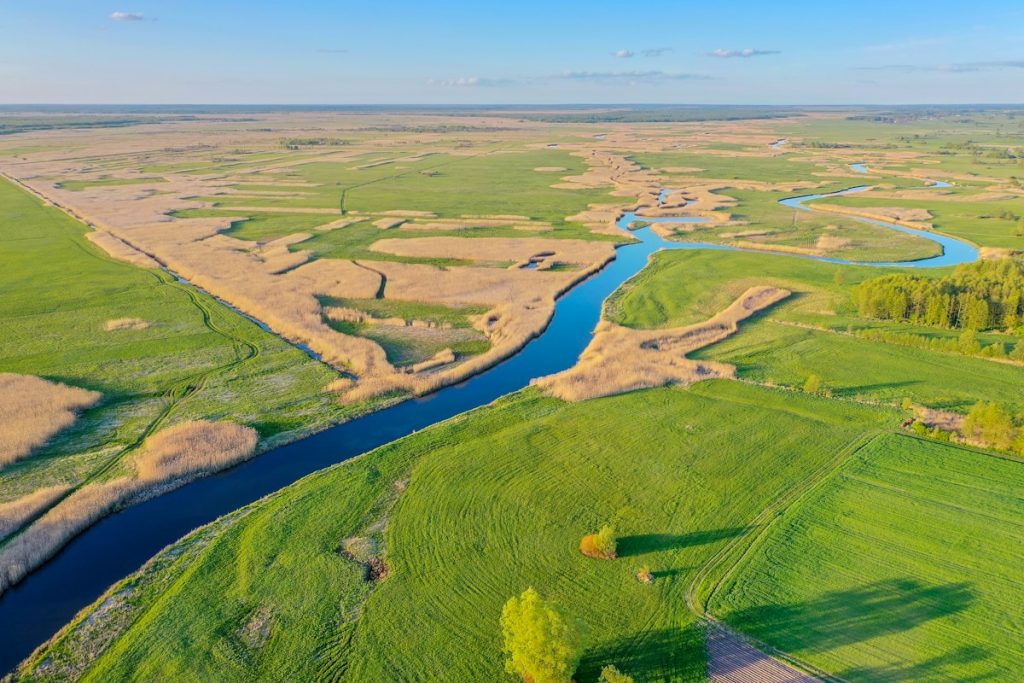
In brief: Homebuilders are pressing federal regulators to make wetlands permitting easier to predict as the Environmental Protection Agency and Army Corps of Engineers consider another revision to the definition of federally regulated waters.
The National Association of Home Builders submitted comments October 9 supporting a supplemental proposal for determining which waterways and wetlands qualify as waters of the United States, or WOTUS, under the Clean Water Act. In an October 14 explanation, the association said the alternative framework could reduce uncertainty for developers but needs clearer instructions before adoption.
The agencies’ September proposal would replace an earlier approach based on regional wet seasons with a test focused on relatively permanent waters and continuous surface connections. In broad terms, a wetland would need a qualifying physical connection to federally regulated water, rather than proximity alone, under the proposed alternative.
How a dry spell could affect jurisdiction
Disagreement remains over what happens when a stream or wetland temporarily dries up. The proposal contemplates exceptions for unusual disruptions, including drought, and limited ordinary interruptions. NAHB wants the final rule to spell out how these cases will be assessed and to rely on information landowners can readily obtain.






The association also wants physically separate wetlands considered individually, with federal jurisdiction confined to qualifying portions of a site. These details matter because a jurisdictional finding can affect land acquisition, project design, permitting schedules and the feasibility of residential construction.
The proposal follows the Supreme Court’s 2023 Sackett v. EPA decision, which narrowed federal wetlands jurisdiction. The current supplemental proposal does not by itself replace the agencies’ earlier November 2025 proposal; regulators are weighing both approaches before issuing a final rule. NAHB’s September overview details the differences.
What builders should do now
No final regulatory change should be assumed from the comment filing. Builders and landowners still need site-specific advice under the rules in effect when permits are sought, including any applicable state and local protections. A narrower federal definition would not automatically eliminate nonfederal permitting obligations.
For housing supply, the potential benefit is predictability rather than a guaranteed reduction in costs. Whether the final rule meaningfully shortens project timelines will depend on its wording, agency implementation and subsequent litigation.