Weekly Real Estate News
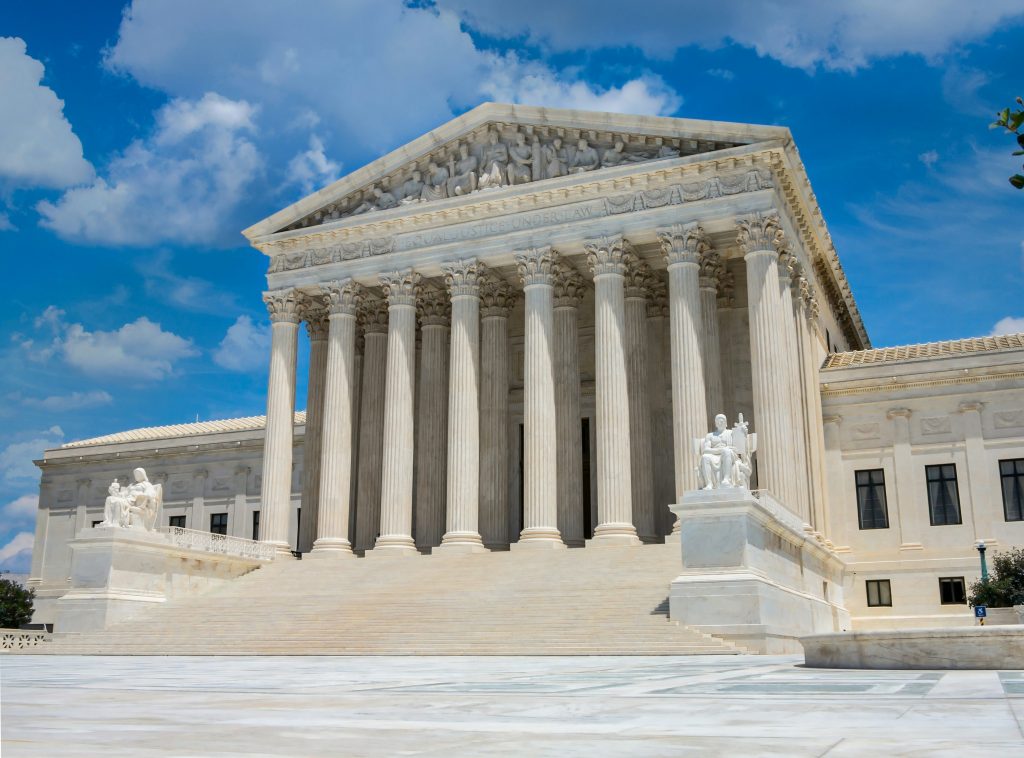
The U.S. Supreme Court declined on October 13 to review a New York City zoning dispute involving a $100-per-square-foot fee to convert certain artist-designated SoHo and NoHo lofts to unrestricted residential use. The decision leaves a New York Court of Appeals ruling favoring the city in effect.
The National Association of Home Builders, which supported the property owners’ appeal, confirmed the denial and explained that the fee can exceed $250,000 for some owners.
What the ruling means
New York’s 2021 rezoning created a pathway for owners of Joint Living-Work Quarters for Artists to change their units’ legal status. The owners argued that requiring payment into an arts fund amounted to an unconstitutional condition on property use. New York’s highest court rejected that claim, reasoning that owners lacked an existing property right to unrestricted residential conversion.
The Supreme Court’s refusal to hear the appeal does not endorse the state court’s reasoning or create a new national constitutional precedent. It simply leaves the existing judgment and local conversion framework in place.
For housing and land-use professionals, the dispute illustrates how legacy zoning restrictions and conversion fees can affect redevelopment economics, ownership transfers and the feasibility of adding unrestricted housing in established neighborhoods.