Weekly Real Estate News
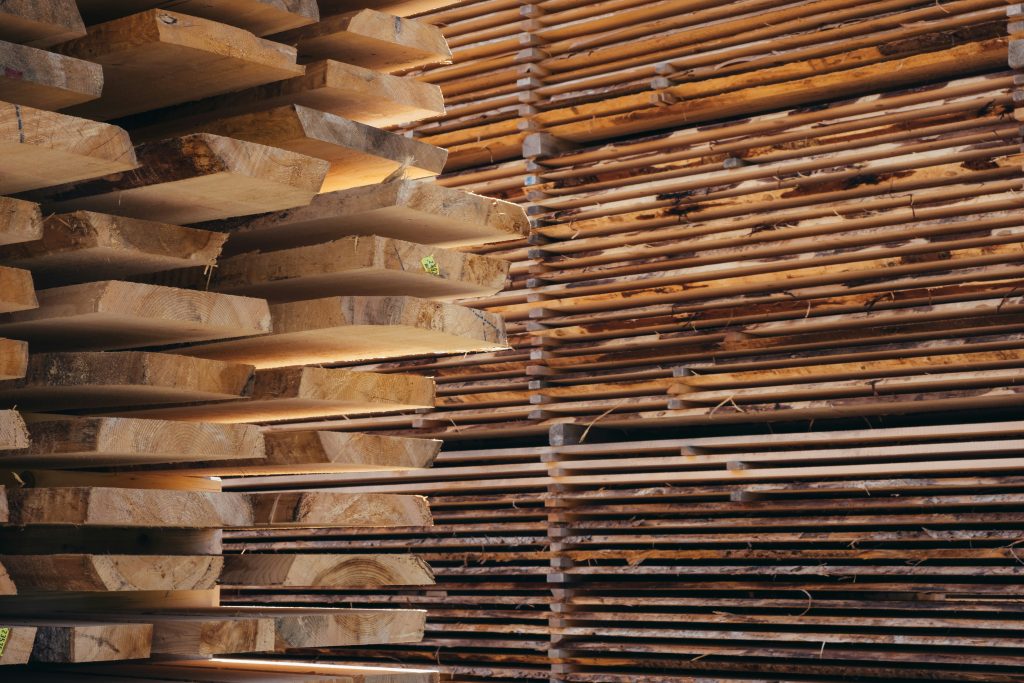

The United States is lowering trade-remedy duties on most Canadian softwood lumber imports, offering some relief to home builders while leaving a substantial tariff burden in place.
Final results from the U.S. Department of Commerce’s seventh administrative reviews set the combined antidumping and countervailing duty rate for non-selected Canadian producers at 24.75%, down from roughly 35.16%. A separate 10% tariff imposed following a national-security investigation brings the combined figure cited by home-building groups to 34.75%.
The new trade-remedy rates are scheduled to take effect when the final notices appear in the Federal Register on October 19. Until then, the announced rates should not be described as already effective.
The distinction matters for builders purchasing Canadian lumber: the Commerce decision lowers one set of import charges but does not eliminate the additional tariff. The National Association of Home Builders says the resulting burden continues to weigh on housing affordability and has urged broader tariff relief for building materials.






Different companies, different duty rates
The 24.75% combined rate is not universal. The Government of Canada’s published summary of the final results lists a 20.02% combined antidumping and countervailing duty rate for West Fraser Mills, 25.55% for Resolute and 31.11% for Canfor. Non-selected companies are assigned 10.64% in antidumping duties and 14.11% in countervailing duties, totaling 24.75%.
Those company-specific differences are significant for importers and buyers comparing suppliers. The headline rate applies to the non-selected group; it should not be treated as the rate on every shipment or every producer. Actual duty treatment depends on the exporter, product and applicable customs rules.
Commerce’s final antidumping review notice covers merchandise examined for the January 1 through December 31, 2024 review period. The notice establishes rates arising from that review; it does not represent a newly negotiated lumber trade agreement between Washington and Ottawa.
Why the reduction may not quickly lower home prices
Lumber is a major input in residential construction, particularly wood-framed single-family homes. Import duties can raise costs along the supply chain, but the extent to which a lower duty reaches a builder’s invoice depends on wholesale lumber prices, inventories, contracts, transportation and supplier competition. The duty reduction alone does not establish a specific dollar saving per new home.
The NAHB has opposed lumber tariffs and is pressing Congress and the administration for further relief. Its advocacy reflects builders’ concern about input costs at a time when affordability constraints already limit prospective buyers’ purchasing power. The association also points to proposed legislation that would exempt certain construction materials from tariffs; such legislation is not law.
Canada’s government describes the October decision as the final result of the seventh administrative reviews. Its published table makes clear that the rates vary materially by producer. The next immediate milestone is Federal Register publication on Monday, followed by the practical application of the revised cash-deposit requirements.
For housing businesses, the immediate takeaway is narrower than a broad tariff rollback: many Canadian lumber shipments will face lower antidumping and countervailing duties, but an additional import tariff remains and the total cost impact is not yet measurable from the rate change alone.