 Weekly Real Estate News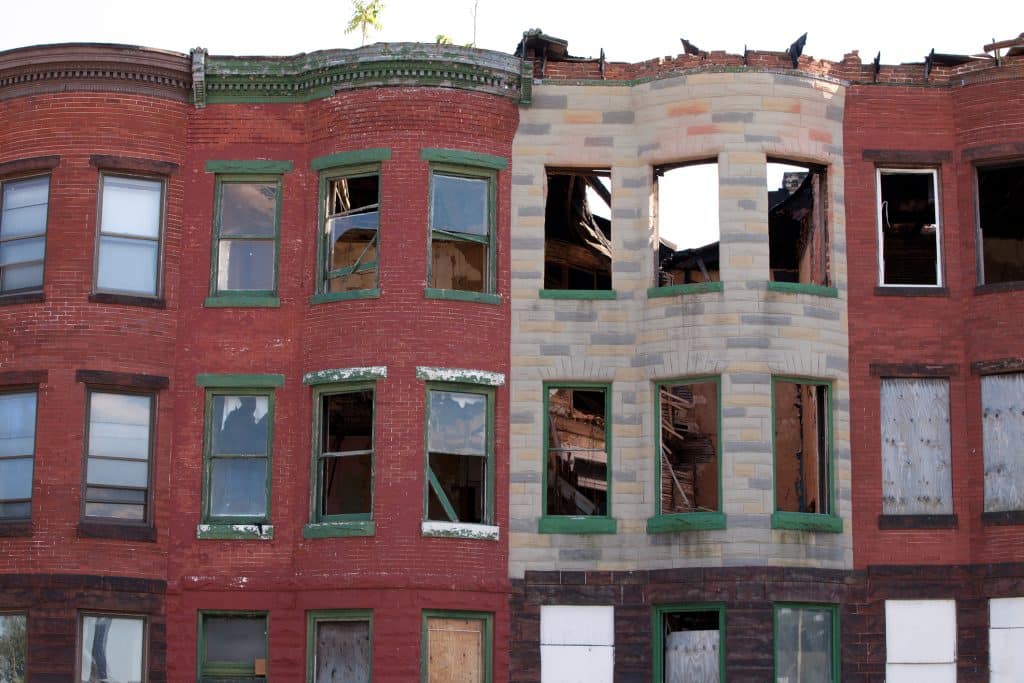
The City of St. Louis’ Community Development Administration (CDA) has published “From Policy to Progress: A Ten-Year Strategy to Reduce Vacancy in the City of St. Louis,” a 68-page report and strategy designed to address the glut of vacant and abandoned properties across St. Louis.
There are currently more than 24,000 vacant parcels in St. Louis, including over 9,000 vacant buildings and approximately 15,000 vacant lots. The report found nearly 90% of the city’s vacant buildings are privately owned, and this creates $310 million in lost personal property value and unrealized family wealth due to vacant property affecting the value of nearby occupied homes and properties. The city also loses $25 million in potential annual real estate tax revenue due to the collective depressed property values while spending approximately $20 million annually in city services dedicated to maintaining vacant property, including $9.25 million from public safety services (EMS, police, fire).
The report also determined approximately 84% of vacant parcels are located north of Delmar Boulevard, reflecting decades of population loss, disinvestment, and structural inequality.
To fight this blight, the report highlights the work community development corporations and nonprofit developers in transforming vacant properties into affordable housing, community assets, and new economic opportunity.






The report also calls for stronger coordination across city departments and agencies, modernizing parcel-level data systems and public dashboards, expanding financial tools to stabilize and redevelop vacant properties, and new targeting strategies based on neighborhood vacancy conditions.
The report was commissioned by CDA and prepared by the STL Vacancy Collaborative, a coalition of residents, nonprofits, businesses, researchers, and public agencies.
“Vacancy affects everyone – the stability of neighborhoods, property values and the long-term fiscal health of our city,” said Mayor Cara Spencer. “I would like to thank CDA and the STL Vacancy Collaborative for making sure we, as a city, have solid data that we will use as we ramp up our efforts to tackle vacancy and build stronger neighborhoods across St. Louis.”