 Weekly Real Estate News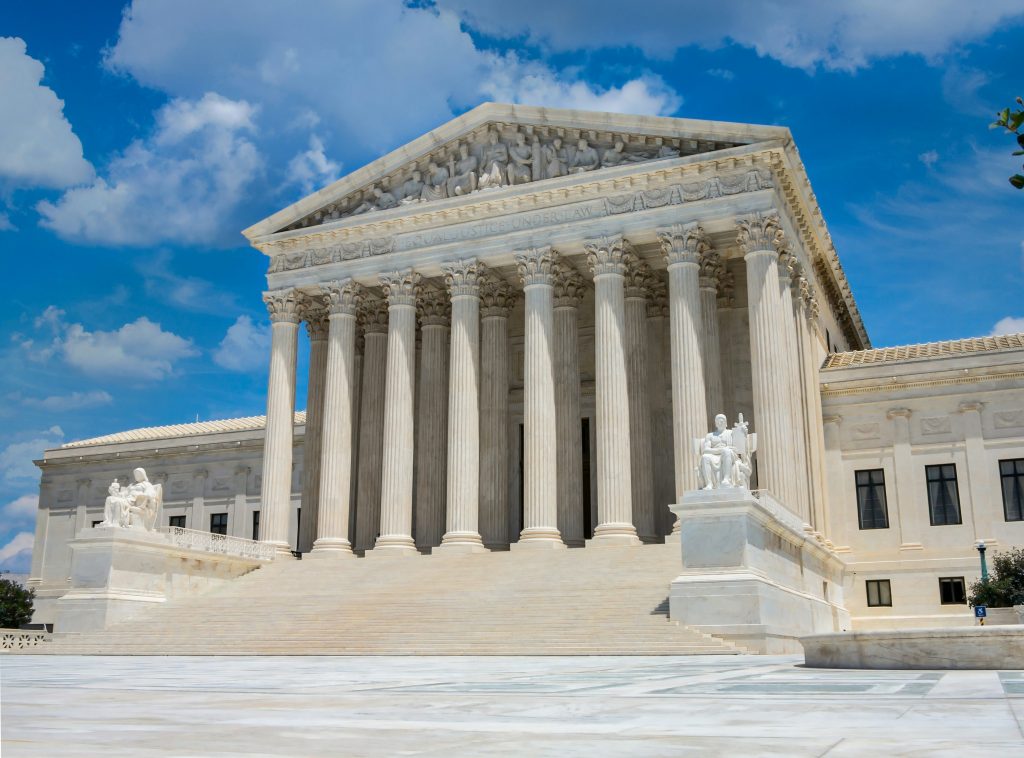
Summary
The U.S. Supreme Court declined Zillow’s petition challenging a certified investor class action over statements tied to Zillow Offers, leaving the securities case to proceed without deciding liability.
The U.S. Supreme Court on Monday declined to hear Zillow Group’s bid to overturn a decision allowing investors to pursue a class action over statements tied to the collapse of Zillow Offers, leaving the litigation alive in federal court.
The justices denied Zillow’s petition in Zillow Group Inc. v. Jaeger without comment. The denial does not decide whether Zillow or its executives violated securities law, and it does not establish liability. It means the lower-court ruling permitting the certified investor class to proceed remains in place.
The case stems from Zillow’s former home-flipping business, Zillow Offers, which the company shut down in 2021 after acknowledging that the unpredictability of home prices made the operation difficult to scale. Zillow announced at the time that the wind-down would include a workforce reduction of roughly 25% and significant inventory-related losses.






What the Supreme Court left in place
Investors allege that Zillow and certain executives made misleading statements about the performance and risks of Zillow Offers before the company disclosed the problems that ultimately led it to exit iBuying. Zillow has denied wrongdoing and has argued that investors were adequately informed about the risks of the business.
The litigation also raises a broader securities-law issue involving so-called “price-maintenance” claims. In those cases, plaintiffs contend that allegedly misleading statements did not necessarily push a stock price higher when made, but instead prevented an already-inflated price from falling.
The U.S. Court of Appeals for the Ninth Circuit allowed the investor class to proceed. Zillow asked the Supreme Court to review the case, arguing in part that federal appeals courts have taken inconsistent approaches to how defendants may rebut the presumption that investors relied on public statements when buying shares.
By declining review, the Supreme Court left that question unresolved at the national level. The denial also removes, for now, Zillow’s effort to use the high court to derail the certified class before the case advances further.
The case now moves forward
The practical consequence is procedural but important: the plaintiffs can continue litigating the case as a class. An attorney for the investors told Reuters following Monday’s order that the plaintiffs intend to move the case toward trial.
That does not mean a trial is certain. Securities cases can still be narrowed, resolved through additional motions or settled before a jury hears them. Zillow also retains the ability to contest the allegations and the plaintiffs’ evidence as the litigation proceeds.
For the housing industry, the case keeps legal scrutiny on one of the most consequential strategic reversals of the pandemic-era housing market. Zillow entered direct homebuying aggressively, then exited the business after its pricing models failed to produce sufficiently predictable results at scale.
The Supreme Court’s action should therefore be read narrowly: it is a refusal to review Zillow’s appeal, not a ruling that the investors’ allegations are true. The underlying securities claims remain to be proven.

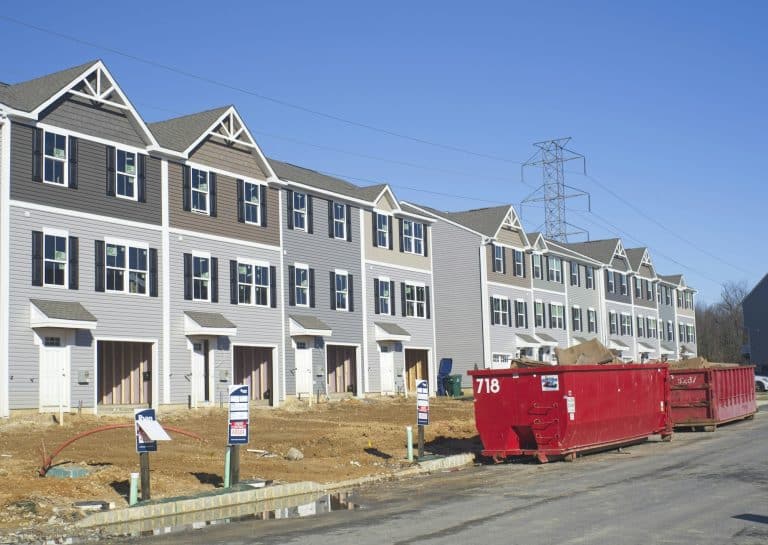


ZILLOW TRIES TO DO THE IMPOSSIBLE, NO ONE CAN PREDICT THE VALUE OF EACH HOUSE IN THE U. S. A, WITH CERTAIN ACCURATE NUMBERS. YES YOU CAN BE RIGHT 80 OR 90 PERCENT OF THE TIME. THAT’S NOT GO ENOUGH, AND YOU ARE GOING BROKE WITH 10 OR 20 PERCENT LOSSES.THEY GOT SLAMMED AND HAD TO CLOSE DOWN.