 Weekly Real Estate News
Summary
Nov. 19 jury conviction of Richard Reinaldo Garcia for four wire-fraud-related counts; DOJ Nov. 20 says more than 70 victims lost over $6 million. Sentencing March 4 2027. Distinct verdict update to WRE article 92540. Primary DOJ Northern District Texas Nov. 20 2026.
A federal jury in Fort Worth has convicted an Arlington, Texas, pastor in a real estate and investment fraud case involving more than $6 million in losses and more than 70 victims in the United States and three other countries, according to the U.S. Department of Justice.
Richard Reinaldo Garcia, 53, was found guilty November 19 of one count of conspiracy to commit wire fraud and three counts of wire fraud following a four-day trial before U.S. District Judge Mark T. Pittman. The Northern District of Texas announced the verdict November 20. Sentencing is scheduled for March 4, 2027. Garcia faces a statutory maximum of 20 years on each count, although the sentence will be determined by the court.
How the church-flipping investment pitch worked
According to evidence presented at trial, Garcia and others solicited investments between at least August 2021 and April 2025 for purported church-related real estate renovation and resale ventures, sometimes described as “church flipping,” as well as Christian music concerts. Investors were promised substantial returns. Prosecutors said the money instead supported personal spending and business operating expenses, and that Garcia told some investors their missing profits had been reinvested in other ventures.






The government said Garcia used his position as a pastor to persuade congregants to provide funds and labor for church-owned properties. Some properties were improved and sold, but the existence of actual renovation activity did not make the investment representations legitimate. Trial evidence described how he directed payments into accounts associated with Ministerio Gracia, Iglesia Gracia de Texas, Gracia Church of Texas and A Pesar de Todo, LLC, while telling investors to label payments as church donations.
The distinction matters for property investors and industry professionals: a real building, an active renovation project or a completed sale does not independently establish that a promoter is accurately describing ownership, use of proceeds, expected returns or the investor’s legal interest. Those questions require separate documentation and verification.
Victims across borders and financial evidence
Justice Department officials said the victims were located in the United States, Colombia, Mexico and the Dominican Republic. Prosecutors presented evidence that Garcia directed more than $200,000 annually to personal accounts between approximately 2023 and October 2025, drove a 2023 Mercedes electric SUV and occupied a Mansfield home that sold for more than $1.6 million. The department attributed total victim losses of more than $6 million to the scheme.
The conviction is a significant procedural development from the original charging stage. WRE News previously reported the federal charges against Garcia. The November jury verdict establishes guilt on the four counts identified by the Justice Department; sentencing and any restitution determination remain separate proceedings.
What the case means for real estate investment due diligence
Real estate syndications and renovation partnerships can involve legitimate projects and legitimate financial risks. The Garcia prosecution illustrates a different risk: investors can be shown recognizable properties and told a persuasive story while being misled about the actual handling of their funds. Investors considering private deals should independently examine entity ownership, property records, written investment agreements, the custody and intended use of proceeds, and whether purported distributions match documented transactions. These safeguards do not guarantee an investment’s performance, but they help distinguish verifiable deal terms from unsupported assurances.
The FBI is seeking information from potential additional victims. Its English- and Spanish-language questionnaires are linked from the November 20 Justice Department announcement, which also provides charging and trial documents. The case was investigated by the FBI’s Fort Worth Resident Agency and prosecuted by Assistant U.S. Attorneys Mac McDonald and Colin Duffy.
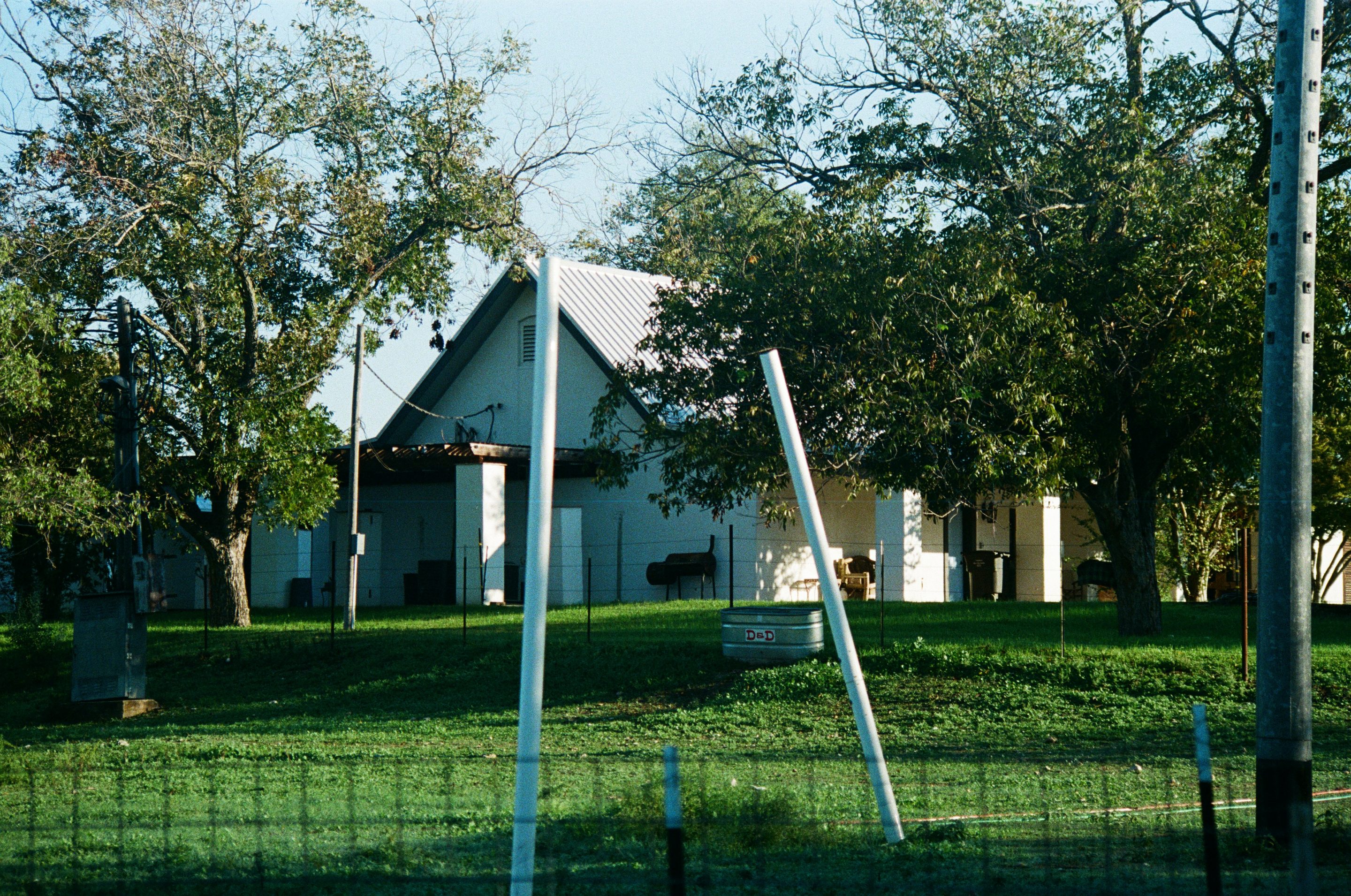
Image: Illustrative church exterior; not a property identified in the prosecution. Noah Martinez/Unsplash.