 Weekly Real Estate News

Summary
Florida Housing identified 226 state-financed rental developments totaling 16,897 units in 27 emergency-declaration counties following Hurricane Isaias. This count represents exposure, not confirmed damage. Officials are preparing damage and available-unit assessments and may consider SHIP program waivers.
Florida housing officials have identified 16,897 rental units in 226 state-financed developments within the 27 counties under an emergency declaration following Hurricane Isaias, expanding the scope of the state’s affordable-housing review as recovery crews begin assessing damage.
The figures, released Saturday in Gov. Ron DeSantis’ recovery briefing, describe the number of homes in the declared counties—not the number damaged by the hurricane. Florida Housing Finance Corporation said it is preparing reports on property damage and units available to accommodate displaced households. No verified statewide damage count for those properties was provided.
The portfolio under review is larger than the one described in the state’s October 8 preparedness update. At that point, Florida Housing had identified 201 developments with 15,629 units across 25 counties. Saturday’s tally adds 25 developments and 1,268 units as the emergency-declaration footprint expanded to 27 counties. That change should not be interpreted as newly damaged housing; it reflects the broader portfolio included in the state’s response.
Isaias came ashore near Destin on Friday evening as a Category 2 hurricane with maximum sustained winds of 105 mph, according to the National Hurricane Center’s analysis. The state reported roughly 448,298 customer accounts without power as of 7 a.m. Saturday. Utilities, local governments and property owners were still assessing conditions in the western Panhandle and surrounding areas.
For affordable-housing operators, the immediate questions extend beyond structural damage. Electricity, water service, access roads and the availability of temporary accommodation can determine whether residents can remain in place even when an apartment building is standing. State officials said Florida Housing is gathering available-unit information and preparing guidance for owners about temporary housing, compliance requirements and possible disaster-related relief.
The agency also said it is prepared to consider requests from counties and eligible municipalities to waive or suspend applicable State Housing Initiatives Partnership requirements under Executive Order 26-202. Those waivers have not been described as automatic or universally approved. The SHIP program supports local affordable-housing activities, and any emergency flexibility would depend on the requests and the governing authority.
Florida’s housing-finance response comes amid a broader effort to restore access to properties and critical services. The state reported that transportation crews were clearing debris and assessing localized flooding, while emergency officials continued coordinating recovery operations. Those conditions can complicate site inspections and delay reliable damage estimates.
The state’s latest figures establish the size of the state-financed rental portfolio requiring attention, but not the storm’s final toll on affordable housing. The next meaningful measure will be how many of the 16,897 units remain habitable, how many households need temporary accommodation and whether local governments obtain the requested program flexibility.
WRE News previously reported on commercial property exposed to Isaias and insurance-binding restrictions ahead of the storm. Those reports address separate effects of the same event.
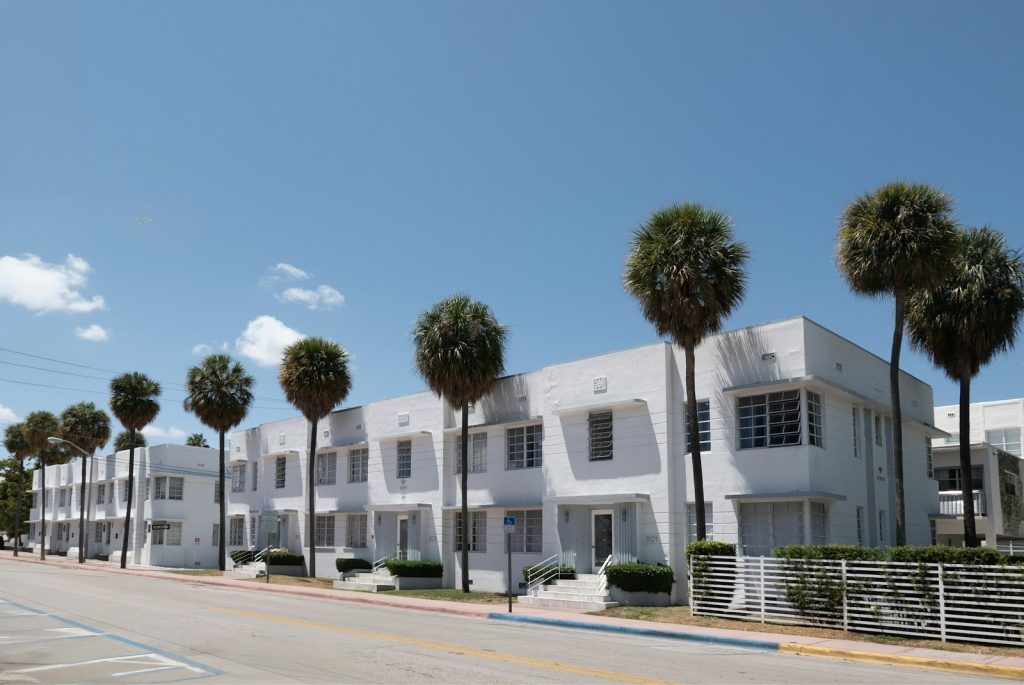
Featured photograph: Hector Falcon/Unsplash; illustrative Florida building image, not a property affected by Hurricane Isaias.